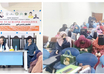

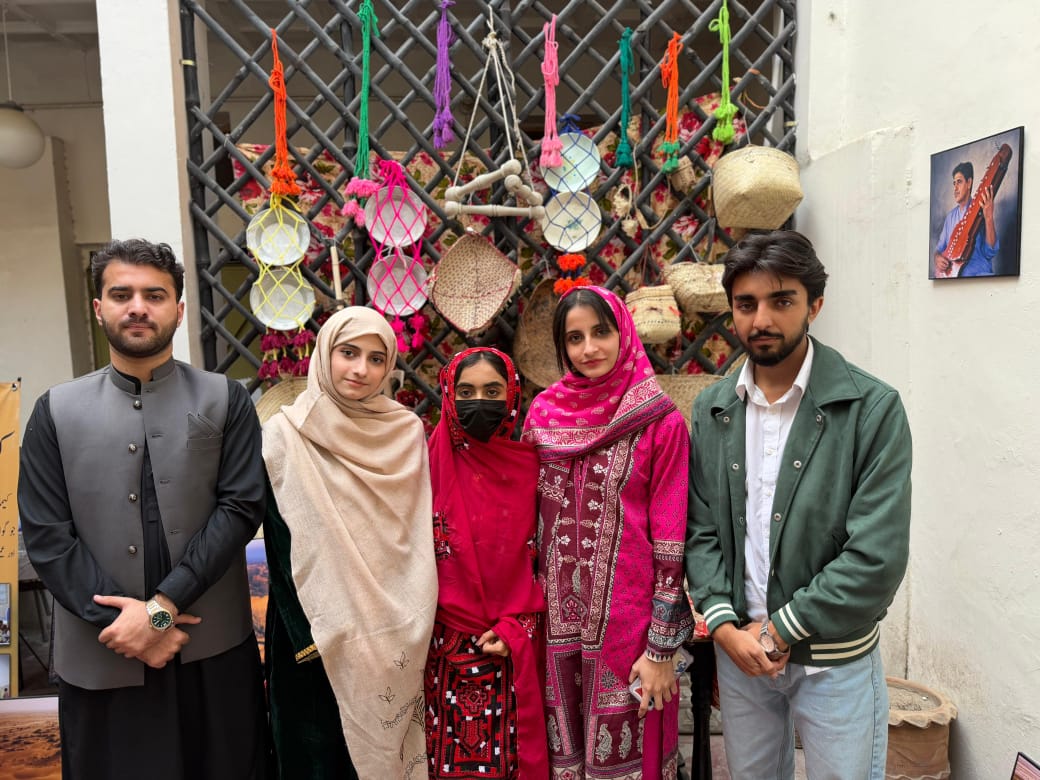
The Balochistan Climate Camp 2025 concluded with remarkable success in Lahore, bringing together students, youth leaders, climate advocates, researchers and community organizers from across the city. The event served as an important platform to highlight Balochistan’s climate crisis, social and gender challenges, and the communication gaps that continue to exist between provinces.
This year, the camp was intentionally organized in Lahore instead of Balochistan. Although Balochistan faces some of the harshest climate impacts in Pakistan, its struggles often remain unheard in major cities. By hosting the camp in Lahore, the purpose was to ensure that the voices and experiences of Baloch communities reach national spaces, especially among youth networks, academic circles and policy influencing groups. This effort aimed to expand awareness, promote solidarity and place Balochistan’s climate story at the center of national dialogue.
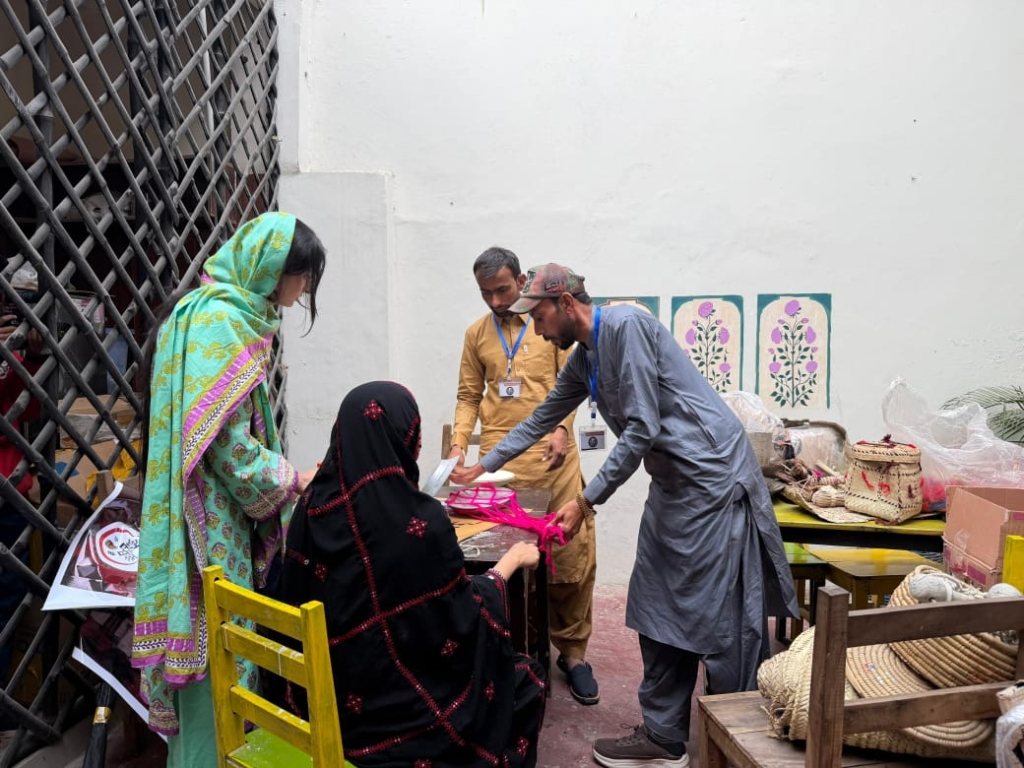
The two day camp was jointly organized by Zameek Balochistan, Ilmdaan and Kitab Ghar Lahore. It featured meaningful discussions on youth leadership, environmental justice, cultural misconceptions, provincial representation and collective action. Participants engaged in dialogue circles, creative exercises and group reflections designed to deepen understanding and cooperation among communities.
The camp was led by Ms Nafeesa Baloch, Founder of Zameek Balochistan and a young climate activist from Gwadar. She had previously organized the first ever Climate Camp in Balochistan, and this year once again demonstrated exceptional dedication by traveling from Gwadar to Lahore to personally lead and organize the second edition. Her vision and commitment were highly appreciated by participants, who recognized her leadership as an inspiring example for youth across Balochistan and the rest of the country.
The event successfully achieved its key objectives, including amplifying Balochistan’s climate realities, increasing youth engagement, challenging misconceptions between provinces and fostering constructive dialogue. Participants described the camp as a powerful step toward unity, understanding and collective action for climate justice.