

Karachi: An estimated 24 to 26 million people living with diabetes in Pakistan observe fasting during the holy month of Ramadan, but a majority of them do not seek medical advice beforehand, increasing their risk of avoidable complications, senior health professionals warned during a conference on Sunday.
Experts at the conference emphasised that fasting can be done safely by the vast majority of people with diabetes if it is properly planned. They urged patients to undergo pre-Ramadan risk assessment, adjust medications under medical supervision and monitor blood glucose levels regularly.
They clarified that checking blood sugar three to five times a day does not break the fast and advised patients to break their fast immediately if glucose levels fall below 70 mg/dl or rise above 300 mg/dl with symptoms or complications. Breaking the fast in a life-threatening situation, they said, does not carry any religious penalty beyond making up the fast once health improves.
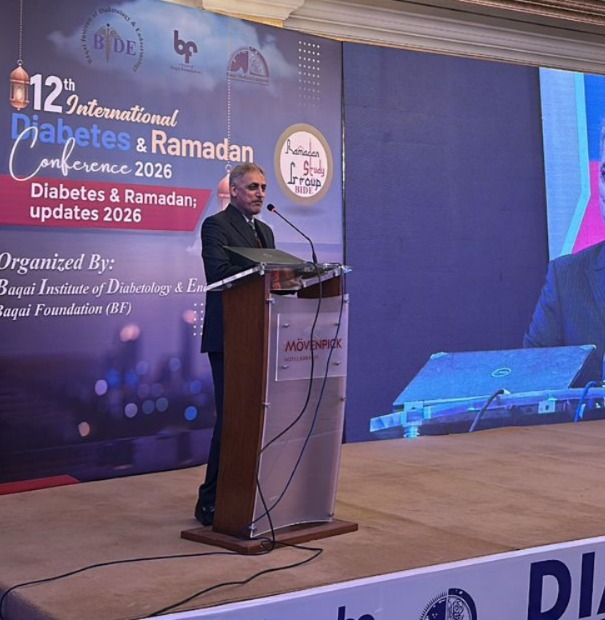
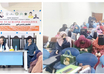
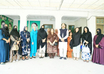
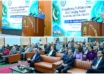
The issues were highlighted at the 12th International Diabetes and Ramadan Conference, organised by the Baqai Institute of Diabetology and Endocrinology (BIDE), which was attended by senior diabetologists, endocrinologists, cardiologists, gastroenterologists and internal medicine experts from across Pakistan and the Islamic world.
Speaking as chief guest, Prof. Javed Akram, founder and former president of the Pakistan Society of Internal Medicine, said Pakistan currently has around 34.5 million people living with Type 2 diabetes and approximately 300,000 people with Type 1 diabetes.
Citing regional studies and international evidence, he said around 70 to 75 percent of people with Type 2 diabetes fast during Ramadan, translating into roughly 24 to 26 million individuals, while about 40 percent of people with Type 1 diabetes, nearly 120,000 patients, attempt fasting for at least part of the month.
“The issue is not fasting itself. The real problem is that most people do not consult their doctors before Ramadan to assess whether they are fit to fast, how their medicines or insulin should be adjusted, and how they should manage diet and hydration,” Prof. Akram said.
He stressed that Islam does not encourage people to put themselves in danger and that medical advice effectively becomes religious guidance when health is involved. “Only about 10 to 15 percent of patients are medically advised not to fast, and that decision must be taken by healthcare professionals. Allah Almighty does not want hardship for His people,” he added.
Prof. Aftab Mohsin, president of the Pakistan Society of Internal Medicine, said Ramadan should be a month of discipline and restraint rather than overindulgence. He warned that poor eating habits, irregular sleep and lack of medical planning often negate the potential health benefits of fasting. “Islam teaches moderation. People should eat sensibly at Sehri and Iftar, manage sleep and focus equally on spiritual and physical well-being,” he said.
Director BIDE Prof. Zahid Miyan said the institute has been organising the Diabetes and Ramadan conference for the last 12 years to bridge the gap between religious intent and medical safety. “Almost every person with diabetes wants to fast, and rightly so. Our objective is not to discourage fasting but to teach people how to fast safely,” he said.
Dr. Muhammad Saif ul Haque, chairman of the organising committee of the Diabetes and Ramadan Conference, said that across Pakistan and the wider Islamic world, between 70 and 85 percent of people with diabetes insist on fasting, making structured education on safe fasting essential rather than optional. “People will fast regardless. Our responsibility as doctors is to ensure they do so with minimum risk,” he said.
He said hypoglycaemia and hyperglycaemia remain the most common complications during Ramadan but can largely be prevented through pre-Ramadan medical consultation, correct insulin dosing, appropriate food choices and adequate fluid intake.
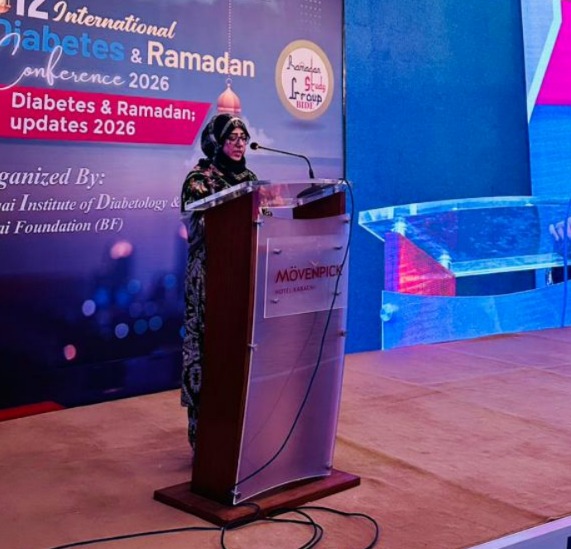
Highlighting the role of technology, Dr. Somia, senior vice president of the Pakistan Society of Internal Medicine, said digital health applications in local languages can help patients monitor glucose levels, receive medication reminders and follow safer dietary plans. She encouraged patients to benefit from digital tools and emerging artificial intelligence-based solutions to minimise complications during Ramadan.
Cardiologist Prof. Feroz Memon warned that Ramadan in Pakistan often turns into an eating-heavy routine marked by excessive consumption of fried and sugary foods. “Fasting is beneficial for heart health only when it is accompanied by moderation and sensible food choices,” he said.
Other experts, including Prof. Bashir Khoro, Prof. Shabeen Naz Masood, senior gynaecologist and general secretary of the Diabetic Association of Pakistan, Prof. Shehla Javed Akram, Prof. Hakim Ali Abro and Prof. Asher Fawad, stressed that with timely medical advice, structured risk assessment and sensible lifestyle adjustments, most people with diabetes can fast safely and benefit from the metabolic as well as spiritual gains of Ramadan.