
By Akhtar Ali Khan
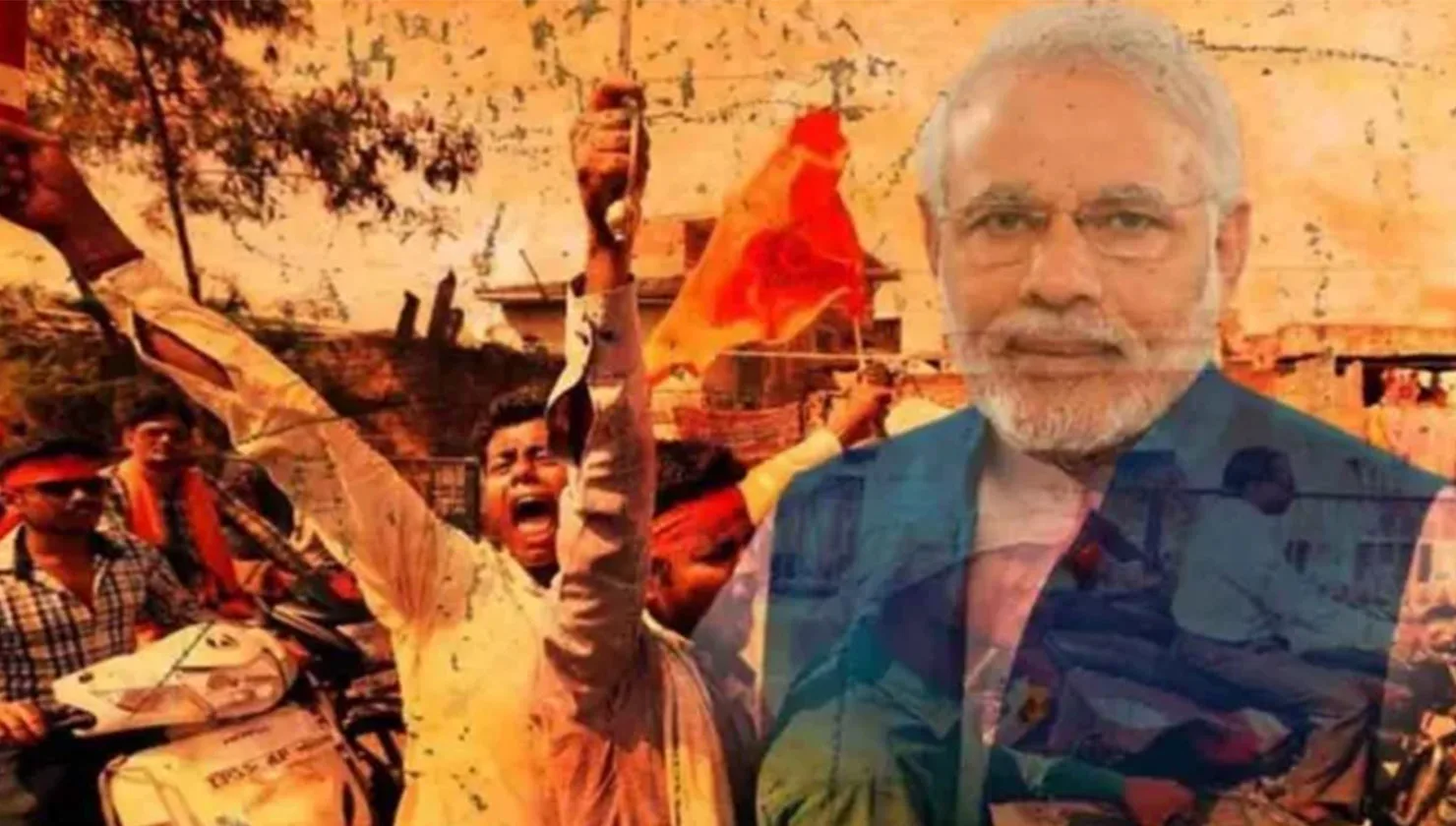
Contemporary India finds itself increasingly confused and directionless on the global diplomatic stage—a condition rooted in the rise of Hindutva-driven politics within the country. This ideology is not only fraying the fabric of India’s social cohesion but also undermining the long-standing credibility and dignity of its foreign policy.
Under the influence of Hindutva, India’s current leadership appears neither familiar with the nuances of diplomatic etiquette nor capable of nurturing stable relations with its neighbors. The country’s erratic posturing toward nations such as the United States, Iran, and Bangladesh, alongside a disproportionately close alliance with Israel and a deliberate aggravation of tensions with Pakistan, reveal a foreign policy driven more by short-term political optics than by long-term strategic thinking.
India’s lackluster participation in multilateral forums like BRICS further reflects its dwindling diplomatic efficacy. During recent summits, India issued only a routine condemnation of the Pahalgam attack, conspicuously avoiding any mention of Pakistan. This diplomatic reticence highlights India’s growing isolation. Similar patterns were evident in previous meetings of the Quad and the Shanghai Cooperation Organization, where India obsessively focused on the Pahalgam false flag operation but failed to convincingly pin the blame on Pakistan—another example of Hindutva’s ideological intrusion into diplomacy.
The Hindutva worldview has also fueled regional instability. Perpetual hostility toward Pakistan, interference in Bangladesh’s internal affairs, and deteriorating ties with Nepal and Sri Lanka suggest that India is increasingly driven by a vision of regional dominance rather than cooperative neighborhood diplomacy. This hegemonic approach has paralyzed regional forums like SAARC, replacing a once-promising atmosphere of collaboration with deep mistrust.
Domestically, Hindutva has been weaponized to marginalize minorities, particularly Muslims. From mob violence in the name of cow protection to discriminatory citizenship laws, attacks on mosques and historic monuments, and the targeting of Muslim businesses and educational institutions—these are not isolated incidents, but rather components of an orchestrated campaign. Such policies are destabilizing India internally while casting doubt on its democratic credentials and constitutional values.
The narrow and exclusionary ideology of Hindutva is not only damaging India’s global reputation but is also driving away traditional allies. If India seeks to reclaim its lost stature and moral authority, it must revisit the principles of Nehru: peaceful coexistence, regional friendship, and a commitment to global responsibility.
Just a day ago, Pakistan’s Chief of Army Staff, Field Marshal Syed Asim Munir, speaking to graduating officers of the National Security and War Course, stated unequivocally that regional nations are growing increasingly weary of India’s aggressive posture and Hindutva-driven policies.
India stands at a crossroads. Whether it chooses to deepen its ideological entrenchment or return to its foundational diplomatic ethos will determine not just its role in the region, but also its place in the world.