
The Economic Policy & Business Development Think Tank (EPBD) has released its inaugural report formulating a Wealth Perception Index 2025, listing Pakistan’s top 40 public and private sector conglomerates, including the first-ever compilation of prospective dollar-billionaire business groups in the country.
The Index, launched on Pakistan’s 78th Independence Day, identifies 20 leading public-listed corporate groups and 20 high-performing private groups across strategic sectors such as banking, cement, fertilizer, diversified manufacturing, real estate, FMCG, IT, and media.
According to EPBD CEO Ahmad Nawaz Sukhera, the rankings highlight the potential of Pakistan’s private sector to drive sustained economic growth—provided it is backed by “supportive government policies and an enabling regulatory framework.”
“Government alone cannot address Pakistan’s complex economic challenges. We need a strategic partnership between policy makers and our top private sector leaders,” Sukhera said.
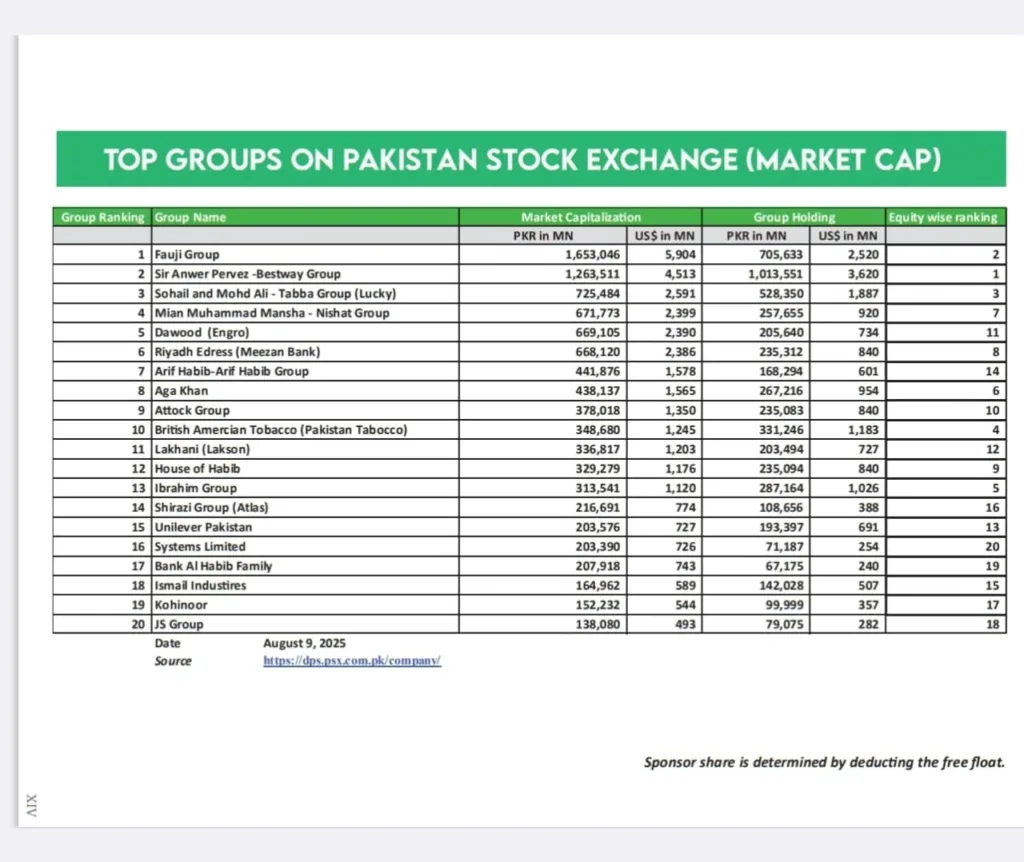
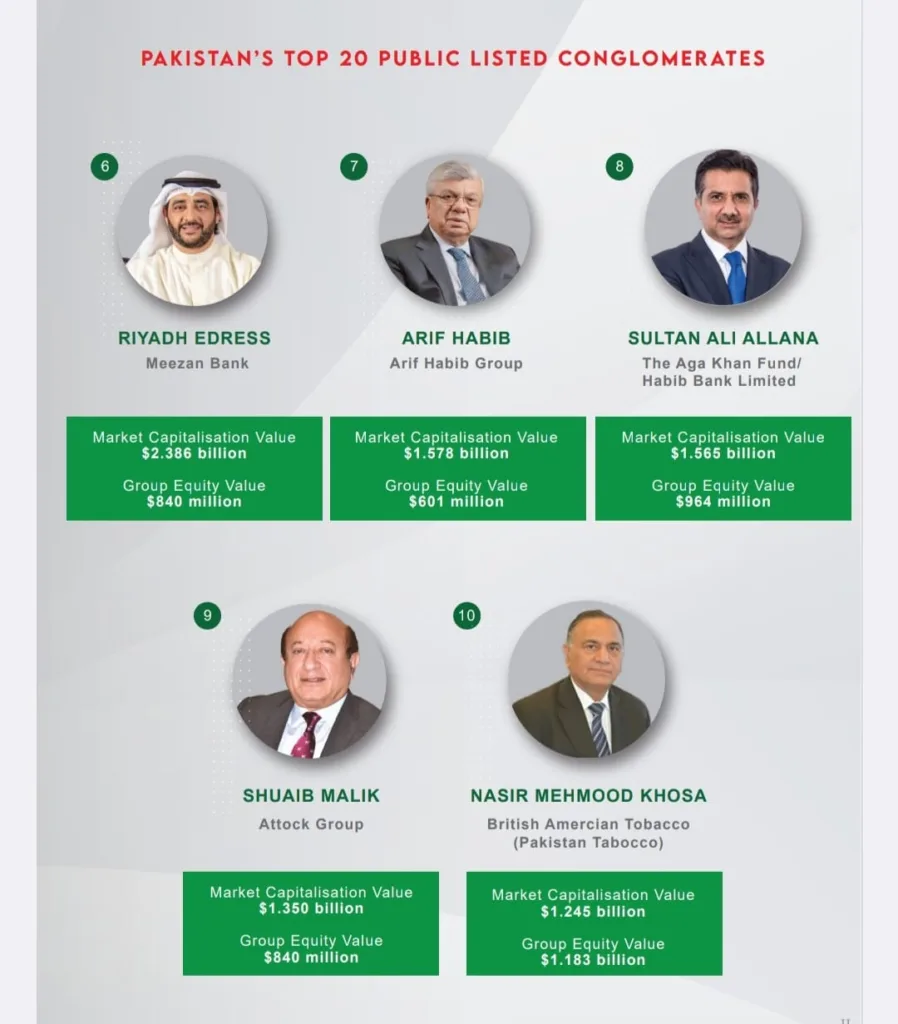
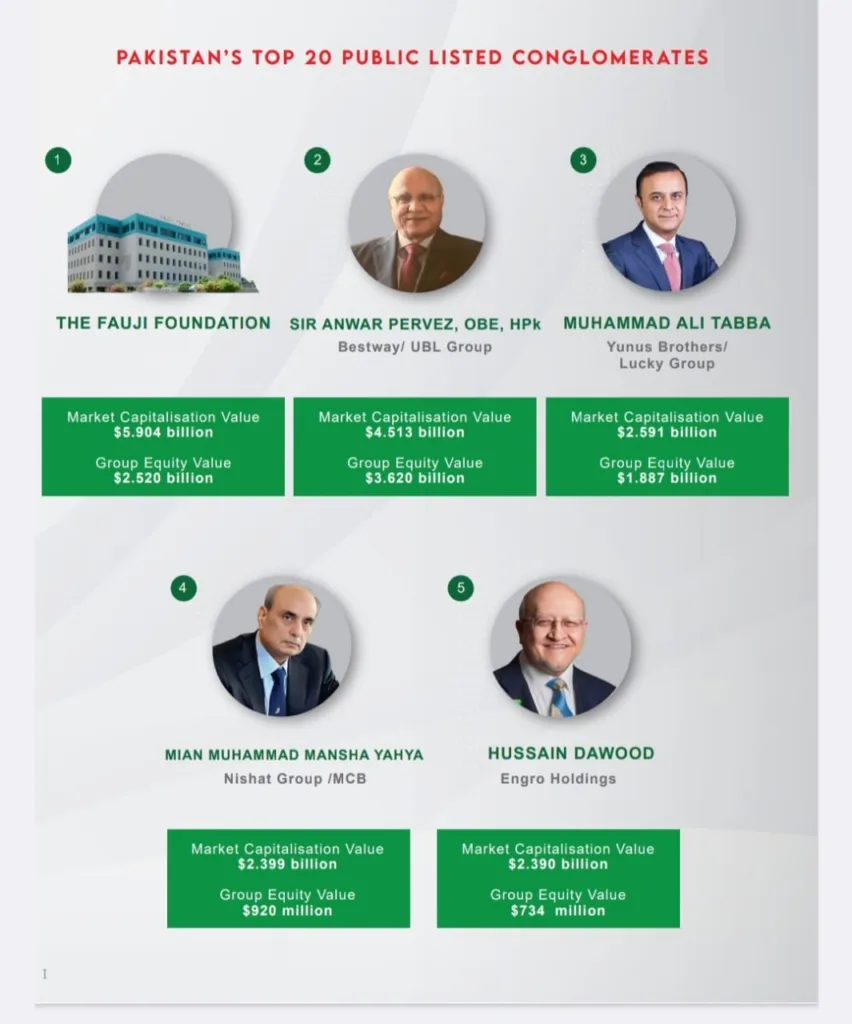
The Top 20 Public Listed Conglomerates by market capitalization include the Fauji Foundation ($5.90bn), Bestway/UBL Group ($4.51bn), Yunus Brothers/Lucky Group ($2.59bn), Nishat Group/MCB ($2.39bn), Engro Holdings ($2.39bn), Meezan Bank ($2.38bn), Arif Habib Group ($1.57bn), Aga Khan Fund & HBL ($1.56bn), Attock Group ($1.35bn), and British American Tobacco Pakistan ($1.24bn).
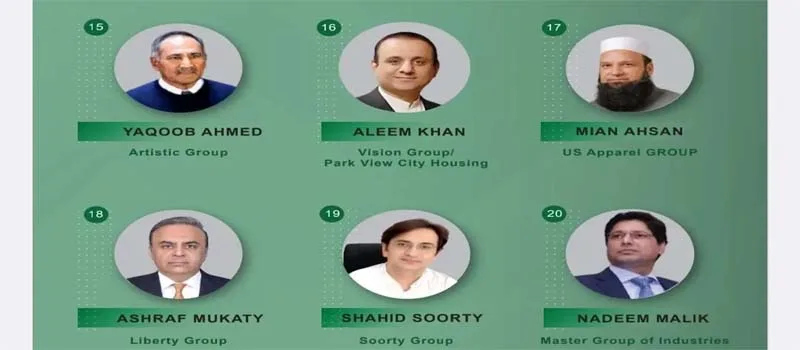
The Top 20 Prospective Dollar-Billionaire Business Groups feature prominent family-led enterprises such as Packages Group, Fatima Group, Sapphire Group, Hilton Pharma, Lake City Holdings, MEGA & Pioneer Cement, Jang/Geo Network, Beaconhouse Group, JDW Sugar, Artistic Group, Vision Group/Park View City, US Apparel, Liberty Group, Soorty Group, and Master Group of Industries.
EPBD notes that these 40 conglomerates collectively contribute billions in tax revenues, create large-scale employment, and hold the capacity to “double their impact” over the next decade. It has recommended an innovative policy initiative requiring senior civil servants to undergo intensive internships within these corporations to bridge the “policy-business disconnect.”
The think tank emphasised that sectors such as banking, cement, fertilizers, and diversified industrial manufacturing have high multiplier effects and should remain at the core of Pakistan’s economic growth strategy.
The report also underlines the growing role of women-led institutions, technology firms like Systems Limited, and foreign-listed companies investing in Pakistan’s economy.
“Pakistan possesses the entrepreneurial talent and business leadership necessary for sustained growth. With the right partnerships and enabling environment, these groups can help transform the economy,” Sukhera added.