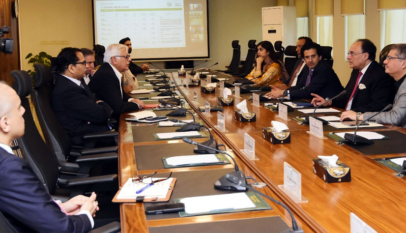

Prime Minister Shehbaz Sharif has welcomed the simplification of tax returns and their availability in Urdu and directed to establish a helpline aimed at assisting the filing process.
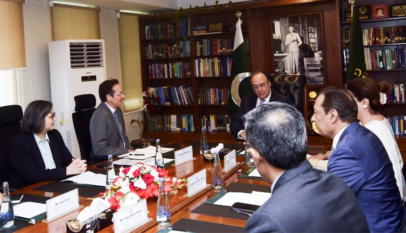
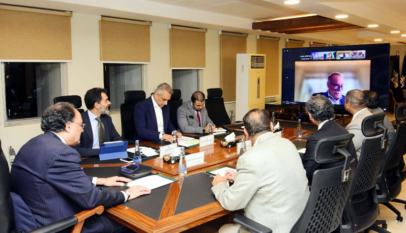
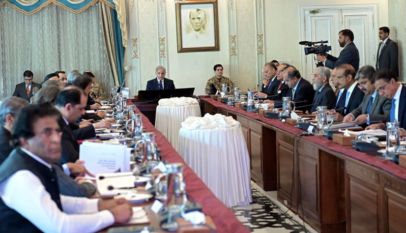
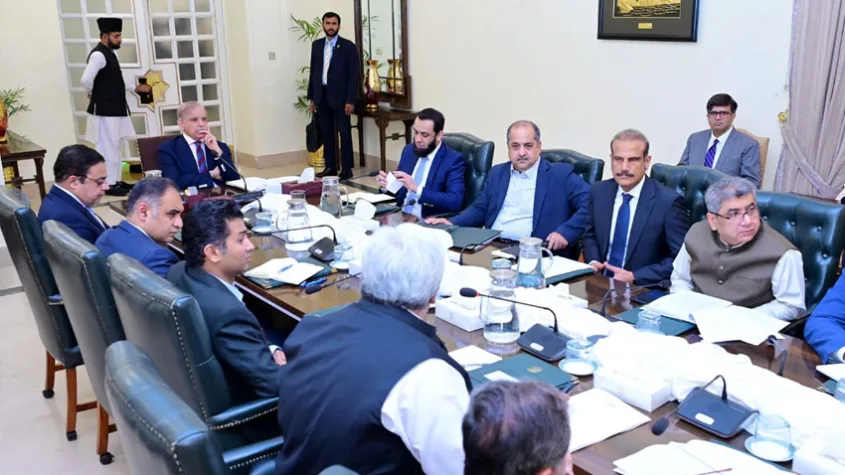
Chairing a meeting to review progress on FBR reforms in Islamabad on Monday, he also instructed to launch a digital invoicing in Urdu. He said tax reforms should focus on facilitating the common citizen.
The Prime Minister emphasized a third-party validation to ensure transparency in all FBR reforms. He said tax returns have been made digital, concise, and linked with a central database for public convenience. He said the salaried class will benefit the most from the new simplified tax returns. He advised to run a public awareness campaign to encourage more people to file returns under the new system.
Shehbaz Sharif acknowledged that the positive outcomes of tax reforms are the result of tireless efforts by the Finance Minister, economic team, FBR Chairman, and their staff.
He said increasing the tax base and reducing the burden on the poor are top government priorities. He noted that for the first time in country’s history, implementation of AI-based tax assessment system is a major success for which FBR’s efforts are commendable.
The Prime Minister directed to provide special facilities to small and medium-sized businesses to join the digital invoicing system.
The meeting was briefed on progress regarding digital invoicing, e-Bilty, simplified tax returns, the AI-based assessment system, the central Command and Control Center, and the cargo tracking system. It was shared that FBR’s Command and Control Unit will become operational by September this year, enabling centralized data access and facilitating more efficient decision-making.
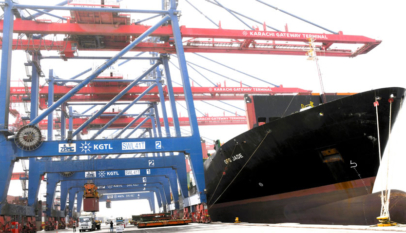
Participants were also updated on the AI-driven assessment system. Traders will now be able to submit advance goods declarations prior to the arrival of ships, with full exemption from upfront duties and taxes. This measure is expected to increase advance declarations from three percent to over 95 percent, allowing containers to be transported directly from ships to factories.
Regarding the digital invoicing system, it was noted that all small and large business will issue receipts through FBR’s online platform at the point of sale and purchase. Approximately 20,000 businesses are expected to be integrated into the system in the coming months. It was told that within just one month, 8,000 invoices worth 11.6 billion rupees were issued. The system includes a taxpayer portal and a monitoring dashboard. Integration with PRAL is free of cost, and traders’ training is being actively facilitated. Once fully implemented, traders will no longer need to file separate sales tax returns, as transactions will be automatically recorded in the system.
Furthermore, the system will eliminate fake and flying invoices by aligning with internationally recognized 8-digit HS codes, simplifying performance evaluation of the sales tax system. Training sessions have also been conducted to prepare business owners for the transition.
The meeting was informed that simplified digital tax returns for salaried individuals will be available from Tuesday, with access for other taxpayers beginning by 30th of this month.
With regard to the cargo tracking and e-Bilty system, real-time monitoring of goods movement and tax payments will be integrated, while AI-based assessments will enhance tax enforcement.
It was further told that Türkiye is supporting Pakistan in deploying this system to meet international standards.