
By : Sania Sarfaraz
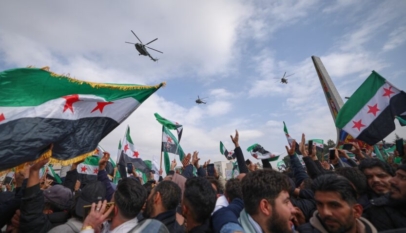
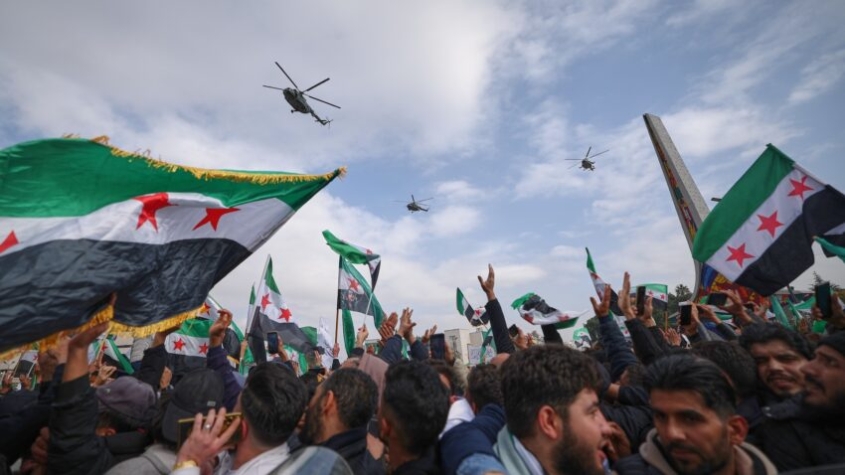
One year has passed since the collapse of Bashar al-Assad’s government following the rebel takeover of Damascus on 8 December 2024 and Assad’s subsequent departure to Russia. This event marked a historic rupture in Syria’s modern political history. It also brought an end of a regime that had ruled amid war since 2011. While the conflict’s legacy continues to shape every aspect of Syrian life, the first year of post-Assad governance has revealed both cautious progress and deep structural challenges.
One of the most notable achievement of the new Syrian leadership has been its effort to consolidate authority after years of fragmentation among opposition forces. Figures such as Mohammed al-Sharaa, alongside dominant factions including Hayat Tahrir al-Sham (HTS), moved to bring various armed and political groups under a single chain of command. Given that internal division was one of the primary reasons opposition movements failed throughout the war, this organizational step represents a significant political development. Although the durability of this unity remains uncertain, it has helped reduce intra-rebel conflict and establish a semblance of central authority.
Alongside this political consolidation, the transitional authorities initiated the revival of basic governmental institutions. Administrative bodies were reactivated, and limited economic coordination was attempted through the central bank and related financial mechanisms. While the Syrian economy remains severely damaged, characterized by inflation, unemployment, and infrastructure collapse these early measures aimed to restore minimal state functionality rather than immediate growth. In post conflict states, such stabilization is often a prerequisite for long term reconstruction.
One of the most visible outcomes of improved security in certain regions has been the return of displaced populations. Over one million refugees have reportedly re-entered Syria during the past year. This development reflects not only changing conditions on the ground but also increasing pressure in host countries across the region. Refugee return, however, does not automatically translate into sustainable reintegration. Housing shortages, destroyed services, and limited employment opportunities continue to pose serious challenges for returnees.
Even after these achievements, Syria remains mired among severe humanitarian crisis. Food insecurity persists across large parts of the country. A prolonged drought, along the destruction of agricultural land and irrigation systems during fourteen years of war, has significantly reduced domestic food production. Transportation and distribution networks damaged by conflict and fuel shortages have further complicated access to food, particularly in rural and previously contested areas. As a result, many households still lack reliable access to food and clean water.
The political transition has also changed Syria’s international relations. The influence of Iran has declined compared to earlier phases of the war, while Russia maintains a military presence, reflecting Moscow’s continued strategic interests. At the same time, the United States and the European Union have adopted a cautious approach. Sanctions remain in place, but debates continue within Western policy circles over whether limited engagement could support reconstruction without legitimizing extremist elements or undermining human rights commitments.
Regionally, Syria’s relations with Gulf states have shown tentative improvement, driven largely by shared concerns over regional instability. However, the role of Islamist groups particularly HTS, remains a major obstacle to full diplomatic normalization. Western and regional actors continue to express concerns regarding women’s rights, political pluralism, and the ideological orientation of the new leadership.
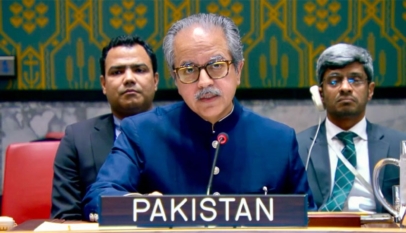
At the multilateral level, the United Nations has reiterated its long standing call for inclusive governance, a principle emphasized in earlier UN led political processes. These demands have gained renewed urgency amid fears of an ISIS resurgence and ongoing tensions between Arab and Kurdish actors in northeastern Syria. Without an inclusive political framework, Syria risks sliding into renewed conflict or long term instability.
Syria’s first year after Assad presents a mixed picture. The consolidation of authority, partial institutional revival, and refugee returns represent meaningful progress after years of chaos. Although humanitarian suffering, economic collapse, and unresolved political divisions continue to threaten the transition. Whether Syria’s post-Assad order evolves into a stable and inclusive state or fragments under internal and external pressures will depend largely on the choices made in the coming years, both in Damascus and beyond.