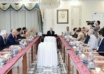

The Centre for Social Justice (CSJ) screened its 20-minute documentary Hum Juda Nahin (We Are Not Separate), highlighting the historic struggle against the separate electorate system and the campaign for restoration of the joint electoral system
The documentary traces the history of the separate electorate system introduced in 1979 and the political and civil society campaign for its abolition, particularly the movement that gained momentum during the 1990s and continued until 2001
Based on historical references and interviews with key figures, the film features human rights lawyer Hina Jilani, Cardinal Joseph Coutts, Dr Charles Amjad Ali and Dr Yaqoob Khan Bangash, among others
It also highlights the role of political leaders, including Benazir Bhutto and Shahbaz Bhatti, and civil society figures such as Sobho Gianchandani, Asma Jahangir and I A Rehman in the campaign for restoration of the joint electoral system The documentary also features the perspectives of citizens belonging to different faiths, including Naeem Shakir and Sidhdham Chand Chawla, as well as human rights activists
The film has been directed by award-winning filmmaker Daud Akhtar Murad and Peter Jacob
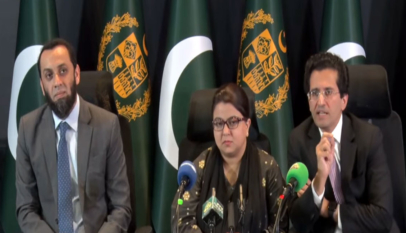
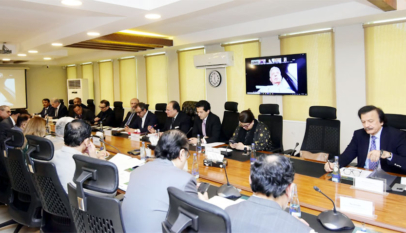
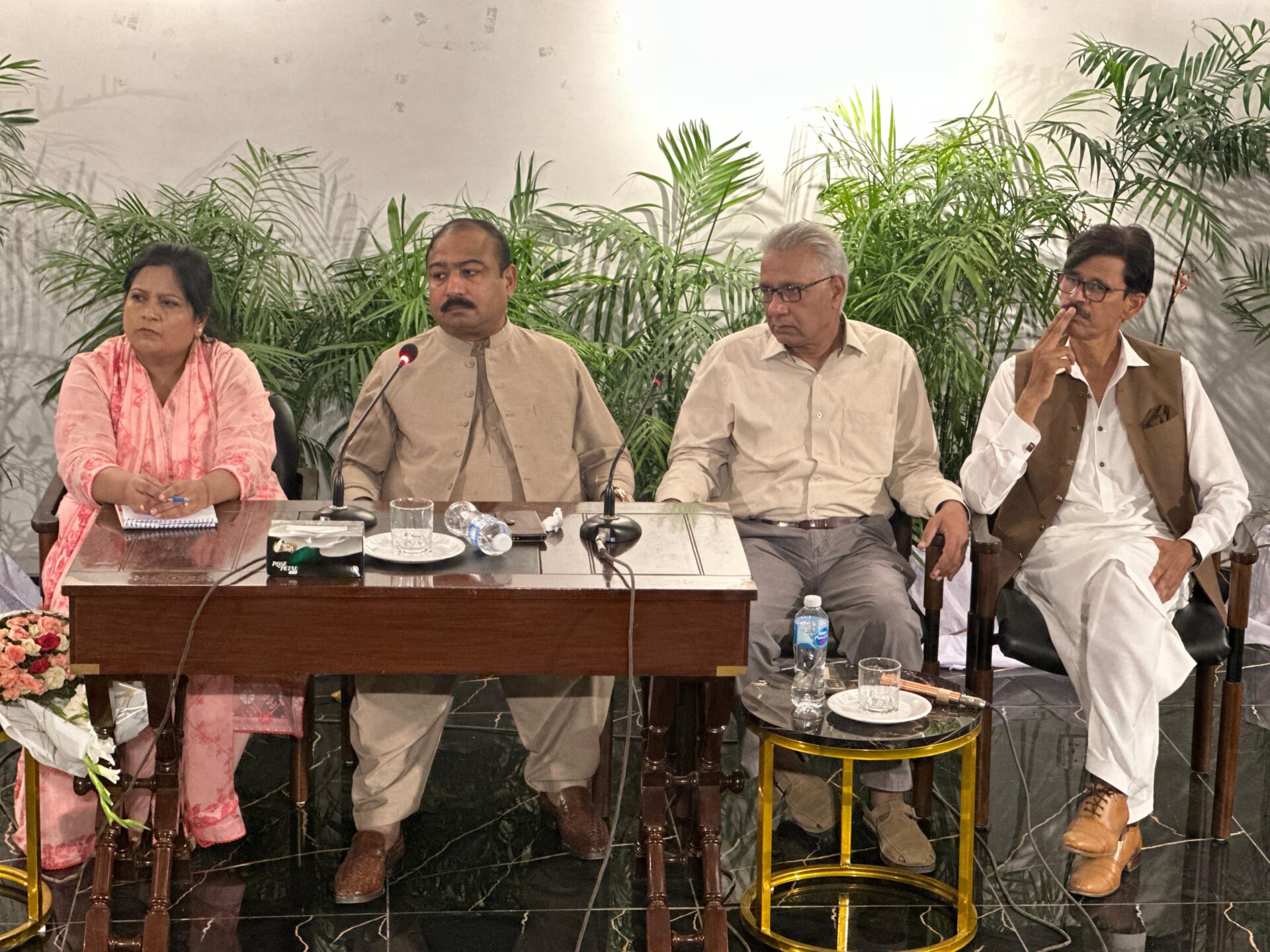
Speaking at the event, Pakistan Peoples Party MNA Naveed Aamir Jeeva recalled the struggle for restoration of the joint electoral system and acknowledged the role played by civil society, Shahbaz Bhatti and others
He said that the perception that religious minorities were separate from the majority and the discriminatory treatment of minorities could be viewed as remnants of the separate electorate system He said political representation, along with the commitment and public service of elected representatives, remained important for addressing the concerns of minorities
Minority Forum Pakistan Rawalpindi General Secretary Shahana Rose said religion was a personal matter and that the joint electoral system provided women and members of religious minorities with greater opportunities to participate in political and development processes
Minority Forum Pakistan Punjab President Samuel Bashir said the joint electoral system strengthened the principle of equal citizenship and non-discriminatory political participation He said the separate electorate system had restricted the ability of minority representatives to play an effective role in the legislative process
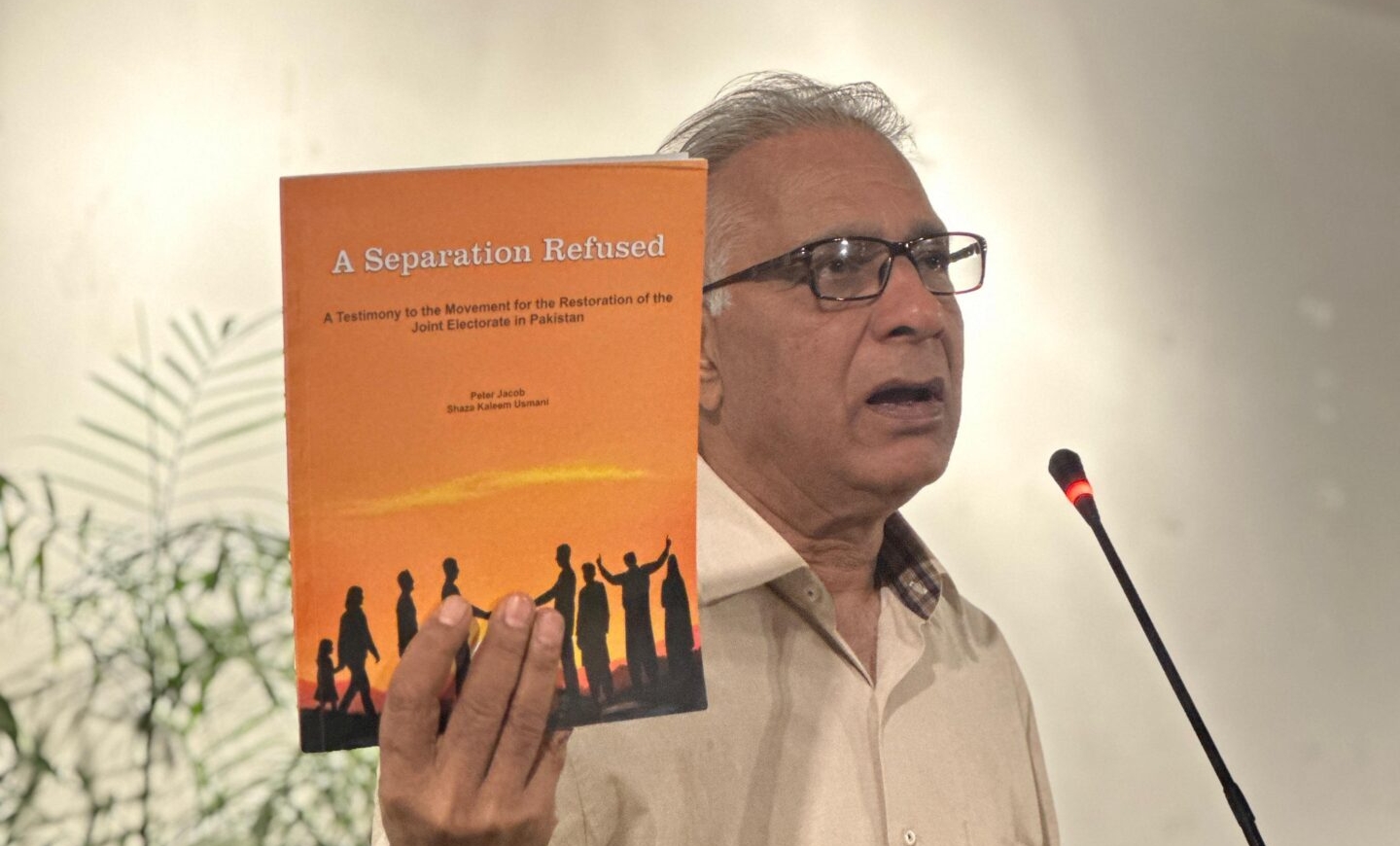
CSJ Executive Director Peter Jacob said the restoration of the joint electoral system was not the result of a decision by a few individuals but the outcome of a prolonged public and political struggle
He said the joint electoral system had enabled minority representation not only through reserved seats but also through general and women’s seats
Mr Jacob also called for changes to Articles 41 and 91 of the Constitution and other provisions that restrict eligibility for the offices of president and prime minister on the basis of religion, arguing that such provisions were inconsistent with the principle of equal citizenship
The event also featured the song Hum Juda Nahin, which reflected the themes of unity, dignity and a shared vision of a Pakistan in which all citizens enjoy equal rights
The event concluded with a reaffirmation of the commitment to continue dialogue on equal citizenship, participatory democracy and constitutional rights The documentary seeks to place the historic campaign for electoral reform in the broader context of political representation and the rights of religious minorities in Pakistan