
Obesity is associated with as many as 229 diseases and may reduce life expectancy by five to 11 years, leading endocrinologists and medical specialists warned on Sunday, calling for early lifestyle changes and medically supervised treatment of the chronic condition.
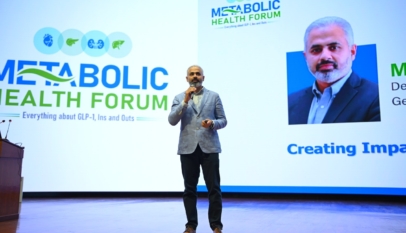
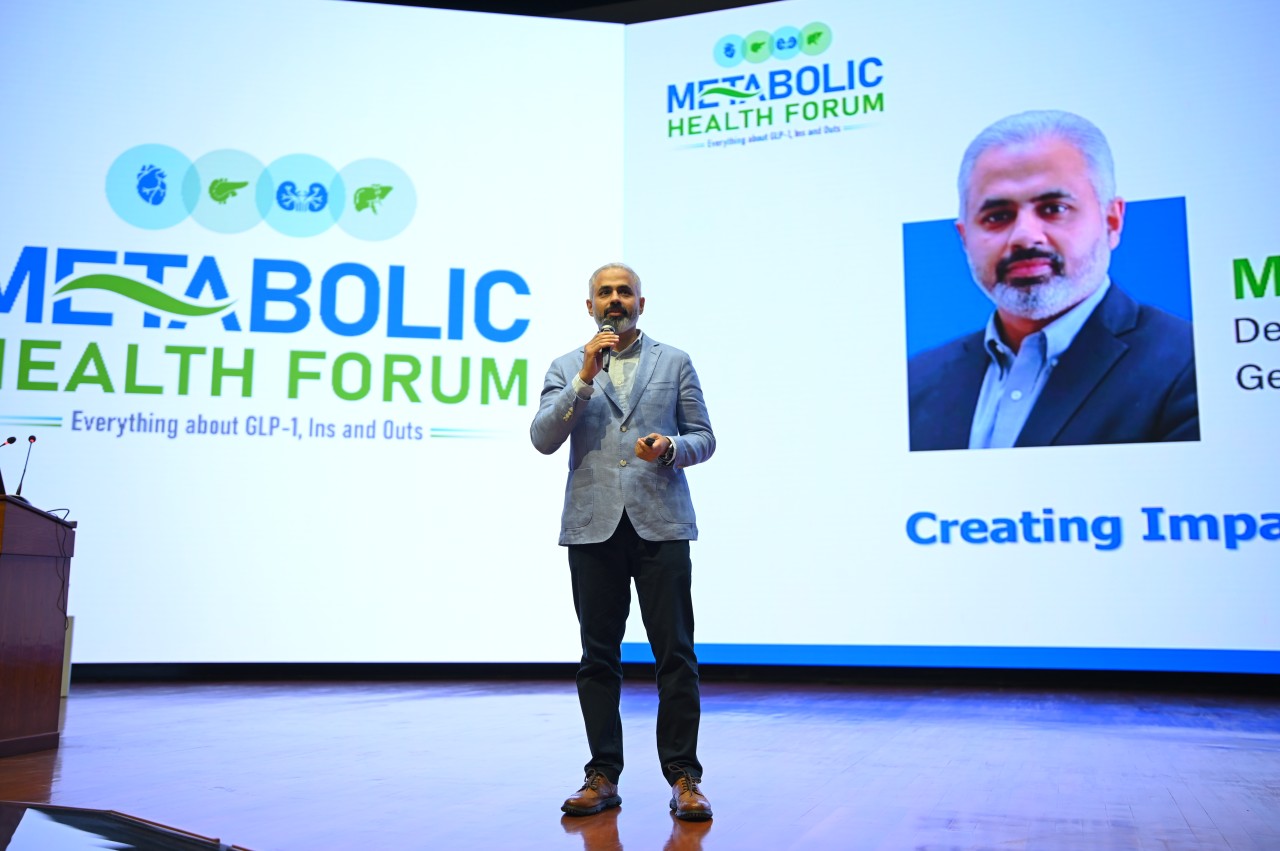
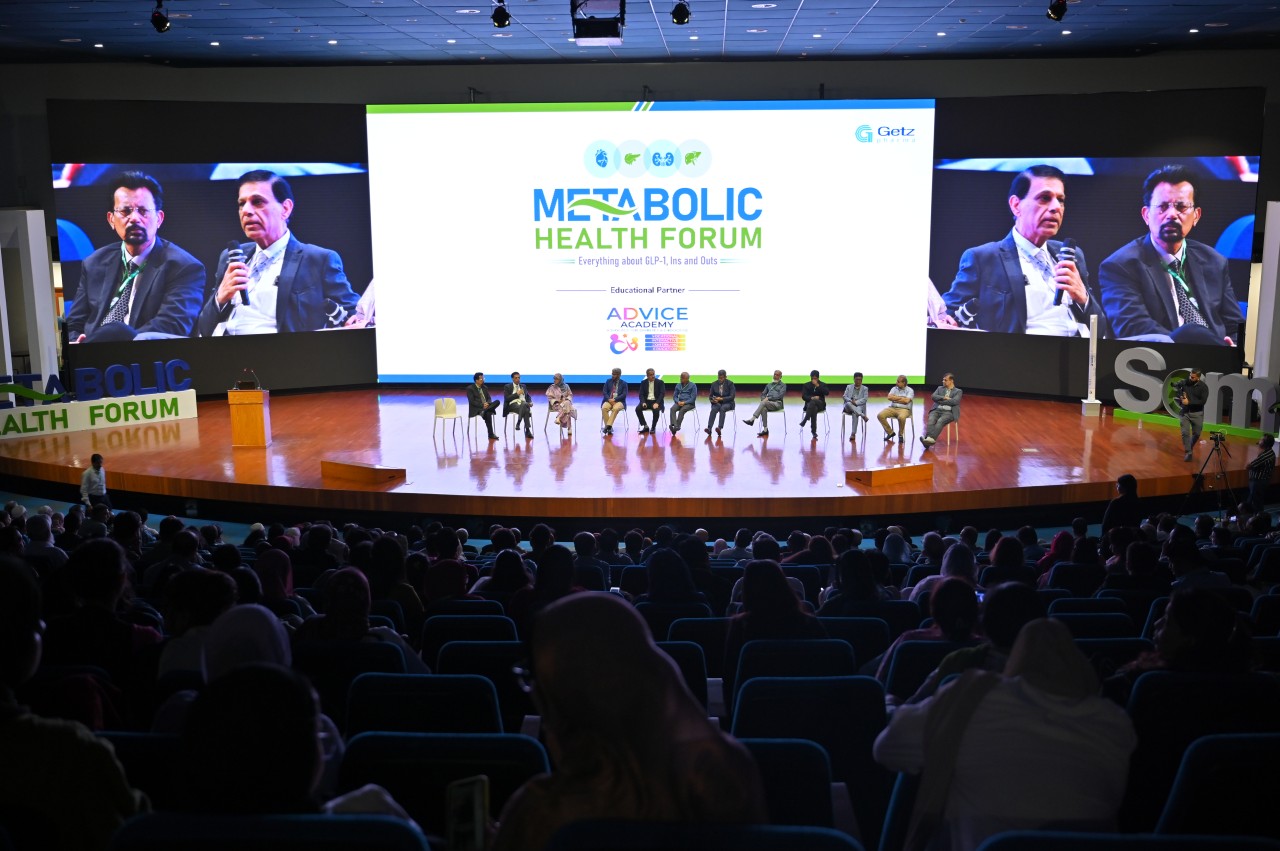
More than 1,100 doctors from Sindh and other parts of the country attended the Metabolic Health Forum at Getz Pharma’s Astola facility, where experts described obesity as a major driver of diabetes, cardiovascular disease, kidney failure, disability and premature death.
Endocrinologist Dr Abbas Raza said obesity was not merely an issue of appearance or willpower, but a serious medical condition that could affect almost every organ of the body. He cited data showing knee osteoarthritis in 52 percent of people living with obesity, hypertension in 51 percent, sleep apnoea in 40 percent, fatty liver disease in 29 percent, heart attacks and diabetes in 21 percent each, and major depression in 19 percent.
One in four Pakistanis was living with obesity, he said, with women and children increasingly affected. Urbanisation, sedentary lifestyles, sugary drinks, energy-dense foods and limited physical activity were contributing to the growing burden.
Dr Raza warned that more than 75 percent of people with excess weight did not recognise themselves as overweight or obese. As a result, many failed to modify their lifestyles or seek medical assistance until serious complications had developed.
The link between obesity and diabetes was particularly concerning. Figures from the International Diabetes Federation indicated that 34.5 million Pakistani adults had diabetes, with prevalence reaching 31.4 percent.
Responding to the need for wider access to safe and effective treatments for obesity and related diseases, Zeeshan Ahmed, Deputy Managing Director of Getz Pharma, said the company had invested billions of rupees in manufacturing, quality systems and research.
He said Getz Pharma exported medicines to more than 40 countries and was expanding into Eastern Europe and South America while generating local treatment data to support better health outcomes in Pakistan.
Experts at the forum said lifestyle changes remained central to obesity management. However, suitable patients could also benefit from newer therapies when prescribed by qualified doctors and accompanied by a healthier diet, physical activity and long-term medical follow-up.
Dr Raza said Pakistanis now had access to advanced medicines at comparatively affordable prices. Semaglutide, he said, could help appropriate patients manage their weight and reduce associated health risks as part of a comprehensive treatment plan.
Explaining how the treatment worked, Prof A.H. Amir said GLP-1 medicines acted like a natural signal in the body, helping regulate appetite and blood sugar. He said their value should be assessed not only in terms of the immediate cost of treatment, but also by their potential to prevent hospital admissions, disability and expensive heart and kidney complications.
Evidence presented at the forum indicated that semaglutide could offer benefits beyond weight and blood sugar control. The SELECT study found a 20 percent reduction in cardiovascular death, heart attack and stroke among relevant high-risk patients, while the FLOW study reported a 24 percent reduction in serious kidney outcomes.
Experts also cited a major clinical trial in which patients receiving semaglutide lost nearly 15 percent of their body weight. A review published in Endocrine Practice reported possible benefits for cardiovascular, kidney and liver health, as well as quality of life.
While acknowledging the potential of these therapies, specialists emphasised that treatment decisions must take into account each patient’s individual circumstances.
Prof Saeed A. Mahar said body mass index was a useful measure but should not be the sole basis for treatment. Doctors should also consider waist size, existing illnesses and previous attempts to manage weight through diet and exercise.
Dr Faisal Masood Qureshi said Pakistan was producing affordable weight-management medicines that met international quality standards. He stressed the importance of uninterrupted supplies, trained prescribers and stronger safeguards against counterfeit products and unsupervised use.
The panel discussion, “Let’s Talk Metabolic Health”, was moderated by Dr Saima Askari and included Dr M.A. Ebrahim, Prof Karim Kammeruddin, Dr Jawaid Sami, Dr Najam Mahmudi, Dr Saif-ul-Haq, Dr Shahid Akhtar, Dr Shakeel Haider and Dr Ali Asghar. Organisers said free guidance from medical experts was available through health-fitness.pk or by calling (021) 111-455-455.
The experts emphasised that semaglutide was not a miracle injection and should not be used for unsupervised cosmetic weight loss. Addressing Pakistan’s obesity crisis, they said, would require healthier lifestyles, earlier diagnosis, trained medical professionals, accessible treatment and stronger protection against counterfeit medicines.