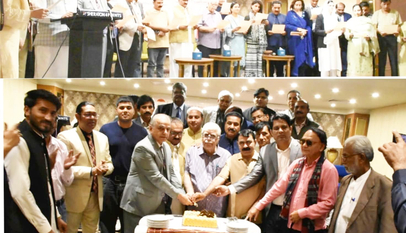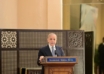

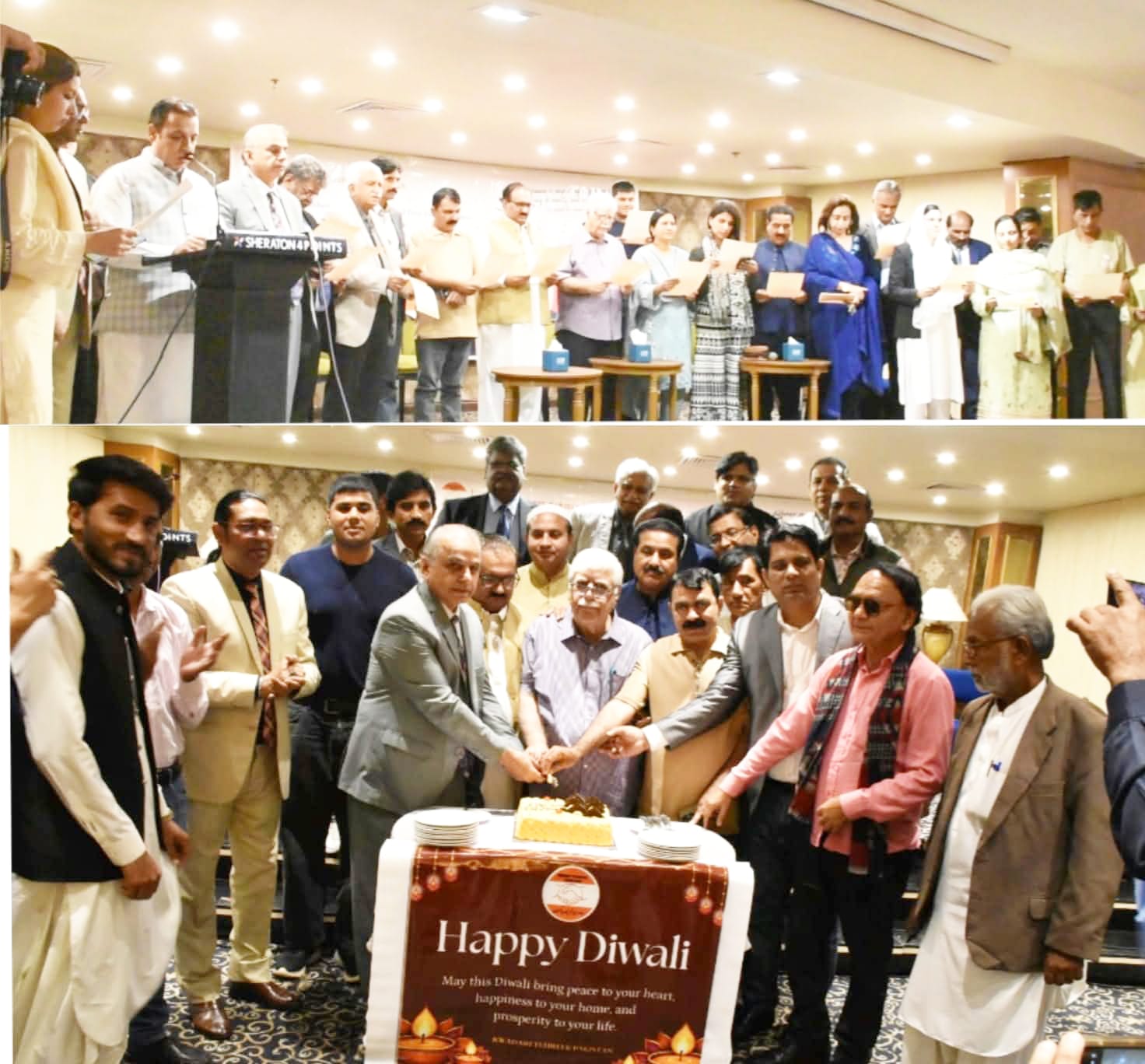
Tolerance Movement Pakistan organized an important conference to mark the International Day for Tolerance, focusing on the theme, “Building an Inclusive Pakistan and Restoring Democratic Freedoms: Religious Freedom, Diversity and Equality for All Citizens.”
The conference was attended by human rights experts, civil society representatives, policymakers, religious leaders, teachers, journalists and individuals from various walks of life. Participants discussed ways to promote tolerance, religious harmony, diversity and equal citizenship in Pakistan. They also highlighted the challenges facing religious freedom and public participation in democratic processes.
Speakers emphasized the need to build a society where every individual enjoys equal rights, dignity, respect and opportunities, regardless of religion, ethnicity, gender or social background.
The conference was addressed by Samson Salamat, Chairman of Tolerance Movement Pakistan; Didar Ahmed Mirani, Vice Chairman; Jami Chandio, scholar, writer and co-founder of the movement; Irfan Mufti, Convener of the Joint Action Committee; Asad Butt, Chairperson of the Human Rights Commission of Pakistan; Ali Abdullah Khan, President of the Progressive Students Collective; journalists Mubashir Bukhari and Sheeba Gul; researcher Ali Raza; human rights activist Kheta Ram; and Laiba Imran, Organizer of Tolerance Movement Pakistan.
The speakers stressed that protecting religious freedom, diversity and equal citizenship is fundamental to building a peaceful, progressive and democratic Pakistan. They observed that tolerance is essential for peaceful coexistence and sustainable development. They further emphasized that democratic spaces and public platforms must remain open, inclusive and accessible to everyone, enabling constructive dialogue, mutual respect and social harmony.
The speakers underlined the importance of joint efforts by government institutions, civil society organizations, educational institutions and religious bodies to promote religious diversity and combat discrimination, hate speech and social exclusion.
At the conclusion of the conference, a resolution was unanimously adopted, calling for sustained efforts through education, legislation, media, community engagement and government institutions to build an inclusive society and prevent tendencies towards violence.
The resolution urged state institutions to operate within their constitutional mandates and respect the fundamental freedoms of expression, association and peaceful assembly. Political parties and other relevant stakeholders were also urged to promote a democratic system based on public participation, service delivery and equal rights. Participants called for the removal of religious discrimination and biases from constitutional and legal frameworks to ensure equal treatment and justice for all citizens.
The resolution further called upon the government to take effective measures against hate material and derogatory language in educational curricula, print and electronic media, and online platforms. It also emphasized prioritizing peace education, critical thinking, respect for diversity and peaceful conflict resolution in schools.
The participants recommended ending impunity for groups spreading extremist ideologies, promoting hatred or inciting violence against religious minorities. They called for appropriate legal action and a ban on such organizations in accordance with the law.
The conference also proposed a comprehensive national dialogue in Parliament to address the misuse of blasphemy laws, false accusations, mob violence, mob killings and attacks on religious minorities.
The resolution demanded the establishment of a judicial inquiry commission to investigate groups allegedly involved in exploiting blasphemy-related cases and examine major incidents, including the burning of Shanti Nagar in 1997, the Jaranwala attacks in August 2023, and the mob killing of Nazir Masih in Sargodha in 2024.
The resolution stated that false accusations and the alleged misuse of blasphemy laws had been used to target citizens, resulting in attacks on individuals, homes, properties and places of worship. It stressed the need for transparent investigations, accountability and effective legal protection to address these serious concerns.
Participants also demanded comprehensive legislation to criminalize the forced religious conversion of underage girls and boys belonging to Christian, Hindu and other religious minority communities. They expressed disappointment over the repeated rejection of proposed legislation aimed at protecting religious minorities.
The conference appealed to the government, civil society, educators, political and religious leaders, media organizations and citizens to work collectively to remove barriers to social inclusion and build a safer, more peaceful and equitable society.
Concluding the conference, the leadership of Tolerance Movement Pakistan reaffirmed its commitment to continuing efforts for the promotion of religious freedom, diversity, equal citizenship and inclusive democratic spaces. It also urged citizens, state institutions, public representatives, media organizations and civil society to work together to prevent intolerance from becoming widespread and turning into a source of violence.