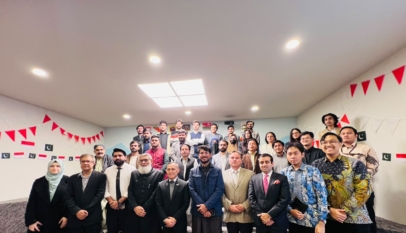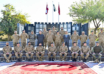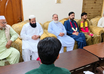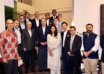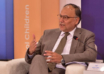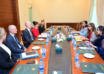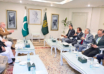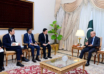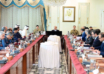

The International Institute for Regional and International Studies (IIRIS), in collaboration with the Embassy of Indonesia in Islamabad, organized an insightful discussion titled “Youth Perspective: Understanding ASEAN and OIC – Organizational Fundamentals and International Cooperation.”
The session opened with a concept note by Amna Khalil, Research Associate at IIRIS, who highlighted the importance of engaging young people in meaningful discussions on regional cooperation, diplomacy and international understanding.
The discussion featured presentations by Muhammad Krisna, an Indonesian student at the University of Airlangga, Surabaya; Dr. Saeed Rid, Director of the National Institute of Pakistan Studies (NIPS), Quaid-i-Azam University; and Rahmat Hindiarta, Deputy Head of Mission at the Indonesian Embassy in Islamabad.
The speakers shared insights into the functioning of the Association of Southeast Asian Nations (ASEAN) and the Organisation of Islamic Cooperation (OIC), their decision-making processes and how member states manage differences while maintaining unity.
The discussion also explored the ASEAN Way, which emphasizes consultation, consensus-building, non-interference, informality, flexibility and quiet diplomacy. Participants examined these principles in comparison with the OIC’s model of cooperation, gaining a practical understanding of regional organizations and their diplomatic roles.
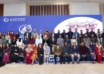
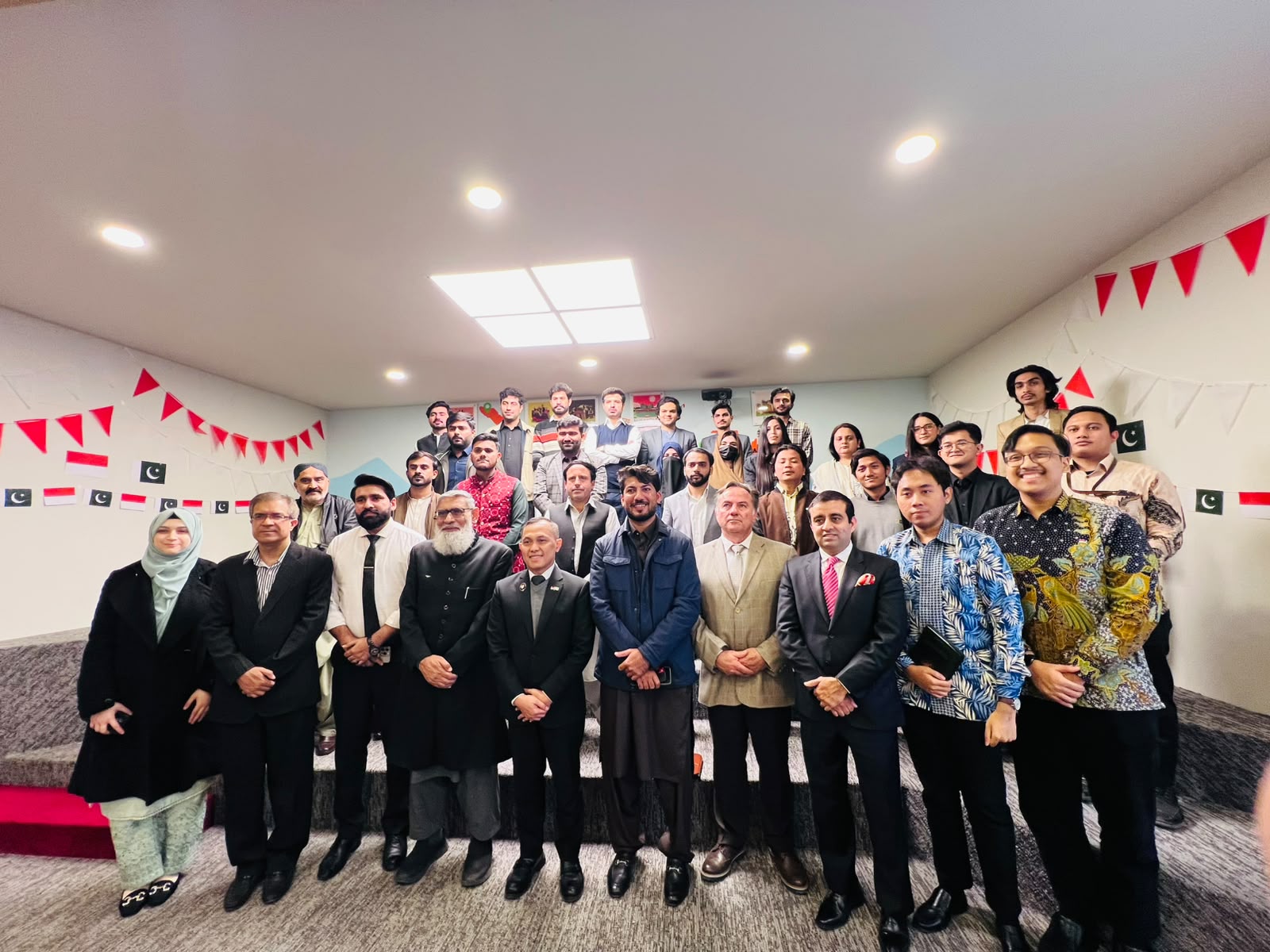
The event was attended by students from NIPS and Quaid-i-Azam University, Indonesian students, think tank representatives, officials and distinguished guests, including CEO Aziz Royal Travel, Brigadier (Retired) Bilal, Mazar of Islamabad Police, Dr. Hanan Durani, Executive Director PTV, and representatives of the High Commission of South Africa in Islamabad.
The session concluded with a vote of thanks by Shafqat Rasool, President of IIRIS, who appreciated the Indonesian Embassy, speakers, guests and participants for their contributions.
He reaffirmed IIRIS’s commitment to promoting youth engagement, diplomacy and intellectual dialogue on regional and international affairs.