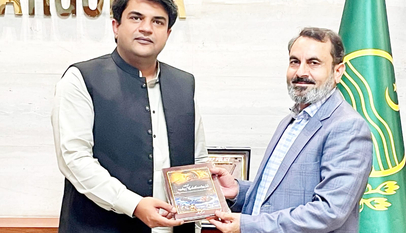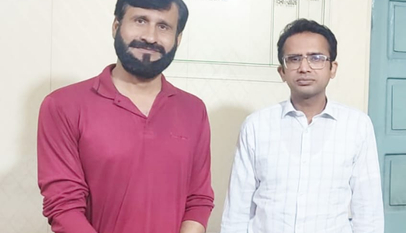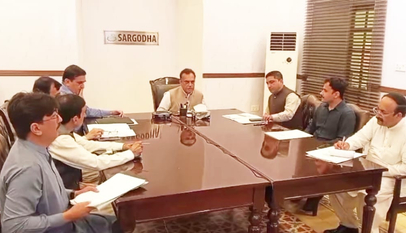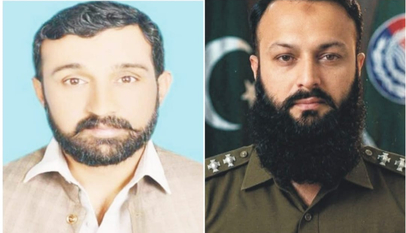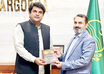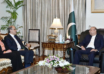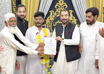

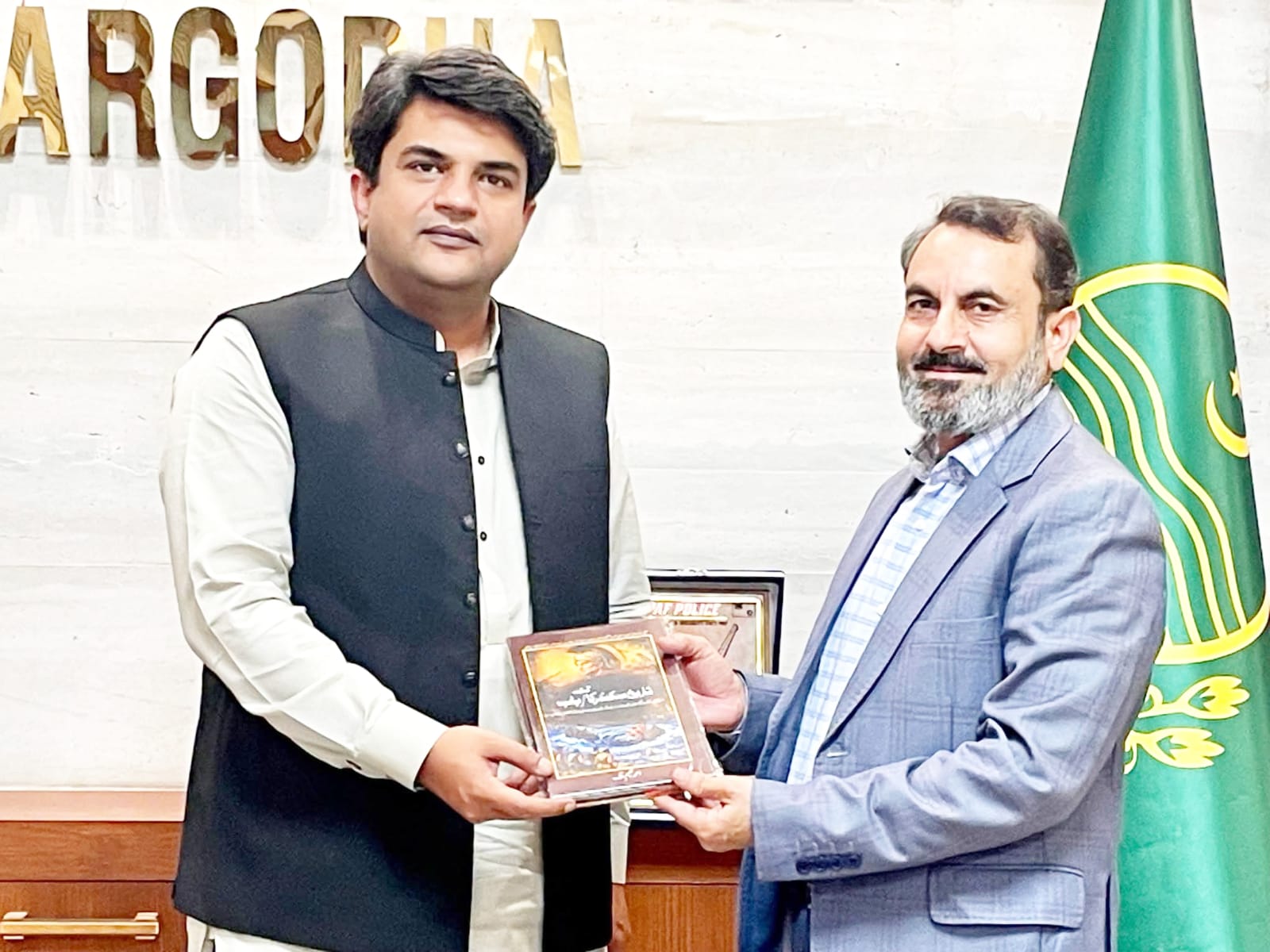
Director Information Sargodha Division Naeem Malik held a special meeting with Deputy Commissioner Sargodha Hussain Ahmed Raza Chaudhry and presented him with his book on the lost history of Sargodha and Sillanwali.
Appreciating the scholarly and research-oriented effort, the Deputy Commissioner said that uncovering the untold history of Sargodha and Sillanwali was a significant contribution that would help introduce the historical background of Sargodha district to the world. He observed that the book was not merely a research project but also an initiative that would open new avenues for further research by scholars and students.
Hussain Ahmed Raza Chaudhry noted that although Sargodha was a relatively modern city, Bhera and Sahiwal, located in the district, were among the region’s ancient settlements. He emphasized the need to document the history of the British colonial period in the area to preserve its historical heritage for future generations.
During the meeting, Naeem Malik provided a brief overview of his book, explaining that it explores the original route of Alexander the Great’s historical return and the ancient Hindu civilization associated with the region. According to him, the book also highlights historical inaccuracies in the works of prominent researchers and historians from several countries, including Pakistan, the United Kingdom, India, Germany, Australia and the United States.
Naeem Malik further revealed that his second book, currently in the process of publication, focuses on the history of Sillanwali Tehsil. It covers not only the area’s ancient history but also documents the various stages of the Lower Jhelum Canal Colony’s development under British rule.
He explained that the forthcoming book provides a detailed historical account of the construction of canals, railway lines and roads, as well as the establishment and settlement of chak villages, market centres and towns in the region.
The research initiative is expected to contribute to the documentation and preservation of the historical heritage of Sargodha and Sillanwali, promote awareness of the region’s past among younger generations, and provide a foundation for future historical and academic research.