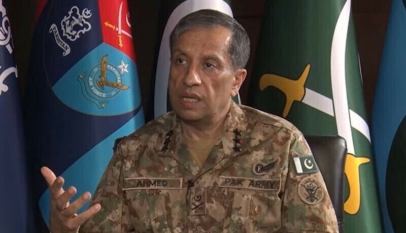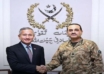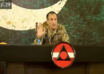

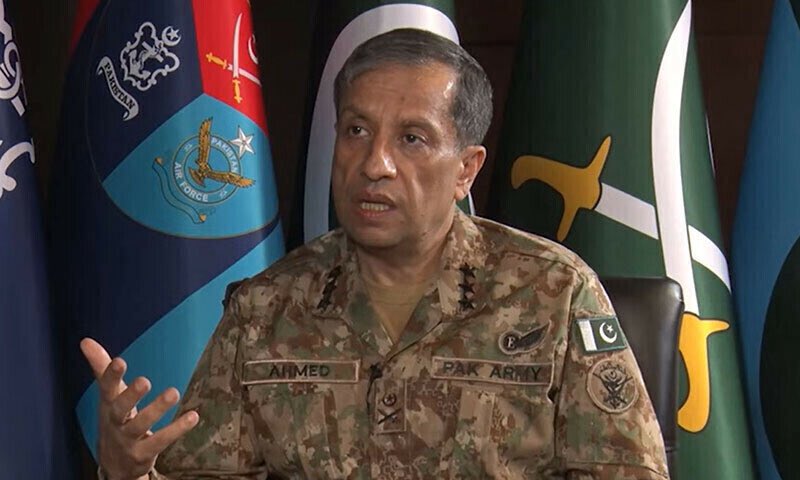
Pakistan’s military is “cautiously optimistic” about the country’s mediation efforts between Iran and the United States, Director General Inter-Services Public Relations (DG ISPR) Lieutenant General Ahmed Sharif Chaudhry has said.
In an interview with Reuters, his first since a high-level Pakistani delegation visited Tehran earlier this week, the military spokesperson described the recent diplomatic engagements as a potentially positive sign.
“Why would the Field Marshal be going twice if it is not for some positivity? So yes, of course,” Chaudhry said, referring to Field Marshal Syed Asim Munir’s two visits to Tehran this month. He added that Pakistan’s position remained “cautiously optimistic”.
The DG ISPR also said that the wording of the Makkah Joint Defence Agreement does not prevent other countries from joining it.
“Anyone who has a shared vision of collective deterrence and regional peace, why not? Everyone is most welcome,” he said, adding that the decision would rest with the political leadership of the three principal signatories.
The agreement was signed by Pakistan, Saudi Arabia and Türkiye on August 7. It states that an attack on any signatory will be treated as an attack on all.
Chaudhry reaffirmed Pakistan’s commitment to defending Saudi Arabia and the holy cities of Makkah and Madinah. Asked about the possibility of sending additional Pakistani troops to Saudi Arabia, he said the matter would depend on the situation and decisions by the political leadership of both countries.
He clarified that Pakistan was not part of the conflict in Yemen, describing it as an intra-Yemeni conflict.
Commenting on the security situation in Khyber Pakhtunkhwa, the DG ISPR said the Pakistan Army’s counter-terrorism operations were based on intelligence-led operations.
He stated that the tempo of these operations would increase further, while clarifying that the military’s approach was based on intelligence rather than large-scale campaigns.
Chaudhry also referred to powerful spoilers and detractors who, he said, believe that conflict, violence, global recession and economic hardship serve their interests.
The interview comes amid Pakistan’s ongoing diplomatic efforts to reduce tensions between Iran and the United States and promote regional peace and stability.