
By : Samina Chaudhary
With the arrival of winter, pollution in Punjab has increased. As a result, millions of people in Punjab are exposed to unhealthy air. This issue is no longer just seasonal but has become a persistent issue impacting daily life, livelihoods and putting pressure on healthcare systems.
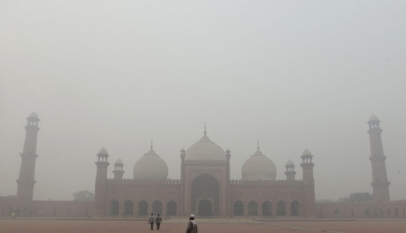
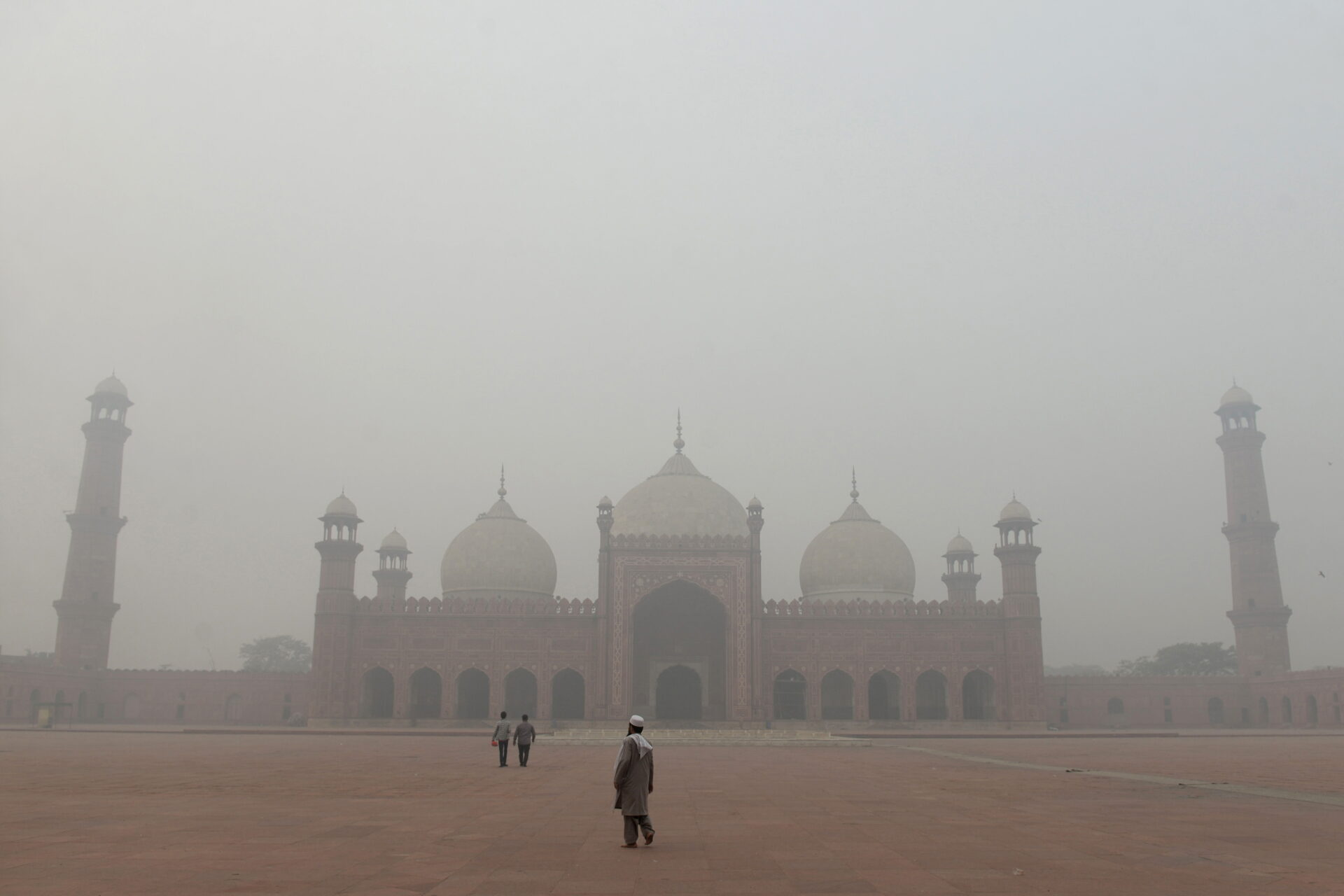
Lahore had a very high AQI of 394, in the middle of November 2026, falls into the hazardous category within the US AQI scale. During this time, Lahore had the worst pollution levels of any major city in the world. Many other cities in Punjab also suffered from unhealthy air pollution.
Smog in Punjab is caused by a range of pollutants in the air, including particulate matter, nitrogen oxides, sulphur dioxide, carbon monoxide and ground level ozone. Fine particulate matter (PM2.5) in particular poses a serious health risk. It can enter deep into the lungs and into the blood stream. Long term exposure to PM2.5 in the air can cause respiratory and cardiovascular disease, and people in vulnerable groups (children, elderly people and people with pre-existing health conditions) are at greater risk.
Although air pollution can be an issue throughout the year, the effects can be made worse in winter. Cold temperatures, low wind speeds and temperature inversion result in little vertical movement of air. This means that pollutants from vehicles, industry and other sources accumulate, resulting in thick smog in many areas in Punjab.
Multiple factors contribute to the smog in Punjab and so it would be incorrect to attribute it to just one source. Burning of crop waste, emissions from industry, brick kilns, emissions from vehicles, construction dust and open burning of waste causes air pollution. The contribution of each of these may vary depending on location and time of year.
Vehicle emissions
In urban areas, such as Lahore, vehicle emissions have become a large issue. An increasing number of vehicles, poorly maintained vehicles, low quality fuels and insufficient emission controls mean a large amount of harmful pollutants are released from vehicles.
An air quality report from the Punjab Environment Protection Agency shows that in Lahore, 83% of emissions come from vehicles (Dawn). 9% of emissions come from industry, and 8% from other sources. This highlights that tackling emissions from vehicles in urban areas in addition to industrial and agricultural emissions is an important step to improving air quality.
Occupational exposure
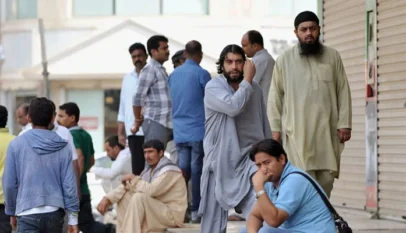
Many people in Punjab have occupational exposure to polluted air. Delivery workers, traffic workers, street traders and other outdoor workers are exposed to polluted air in urban areas for several hours a day. Often there is limited protection available.
Noor Muhammad, a Bykea rider in Lahore, has occupational exposure to air pollution.
“I travel to different locations to pick up passengers. By the time I get home after a long day of work, my eyes are red and irritated from the pollution and smog. I constantly suffer from a cold, sore throat and cough. This ongoing illness is taking a toll on my ability to work.”
He also experiences itchy and watery eyes. He has to stop at various places to clean his eyes.
“It feels like this toxic atmosphere has become a permanent part of our lives.”
This example highlights that air pollution in Punjab disproportionately affects people. If people are able to work indoors, they may be able to limit their exposure to air pollution when it is very bad. However, people working outdoors often have little choice. If people are earning a daily wage or delivering items, they may lose money if they avoid the polluted roads.
Solutions
Environmental experts highlight that regular enforcement of environmental policies is needed to reduce emissions.
Dr Ejaz Ahmed, a senior environmentalist, highlights that well maintained vehicles and good vehicle emissions control is required. Improvements in brick kilns in Punjab using zigzag technology would also help reduce air pollution. Open burning of waste should be reduced, particularly burning plastic, as this emits harmful emissions.
Impact on Individuals
Air pollution can affect individuals in many ways. Reducing outdoor activity, closing schools, and disruption to transport and business can impact education levels, productivity and income. If family members suffer from health issues due to air pollution, extra pressure may be put on families both financially and emotionally.
To help improve air quality in Punjab, the Punjab Clean Air Programme has been implemented with support from the World Bank. From April 2025 to June 2030, the programme aims to improve air quality by reducing emissions from vehicles, agriculture and industry. In addition, monitoring of air quality in Punjab will be improved, as well as capacity to regulate emissions, and raise awareness. Particular focus has been placed on reducing exposure to fine particulate matter.
To be effective, air quality improvement programs must be well implemented. Simply imposing temporary measures such as restrictions, and performing occasional checks will not lead to long-term improvements. Pollution sources must be identified, monitored and regulated throughout the year.
To improve air quality, clean public transport must be implemented, vehicle emissions tested effectively, industry must comply with emissions restrictions, sustainable agricultural methods must be used, and waste management in cities must be improved. Farmers should be provided with realistic alternatives to crop waste burning to avoid this method.
Reliable air quality data must be available. Having more monitoring stations, clear reporting, and independent evaluations can allow hotspots of pollution to be identified. It can also allow evaluation of whether government measures are actually improving air quality. If this data is available to the public, people can make informed decisions when air quality is poor.
Although planting trees in urban areas can create a healthier environment, this is not enough if emissions cannot be controlled from sources. Similarly, raising awareness in people must be combined with effective regulation, investment in cleaner methods and accountability within institutions.
In addition to air quality issues, Punjab faces many environmental issues. Increasing temperatures, changes in rainfall, flooding and other climate related issues are placing more pressure on environmental management in the province. Therefore, cooperation between multiple stakeholders in government, industry, agriculture, environmental experts and people in Punjab is essential to manage these challenges.
The regular worsening of air quality in Punjab indicates that a sustained effort is required. , Lahore had an AQI of 394, in the mid of November 2026.This indicates that people in Lahore were exposed to very poor air quality when commuting, working or attending school.
To reduce smog in Punjab, planning must be done throughout the year. Policies must be based on evidence, effectively implemented and emissions must be reduced in all major sectors.
Clean air in Punjab should not just be available during certain times of the year. It is a public necessity and therefore consistent measures must be taken to ensure this.