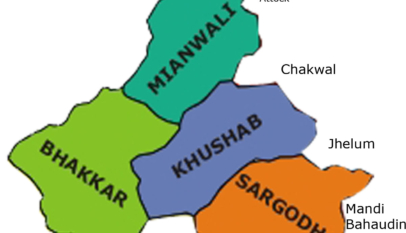

Sargodha, one of Pakistan’s most prominent cities, is widely recognised for its fertile lands, world-famous kinnow orchards, and agricultural significance. However, its true identity extends far beyond agriculture. The city has long been a distinguished centre of knowledge, literature, culture, and intellectual excellence. Throughout its history, Sargodha has produced eminent scholars, educators, poets, writers, researchers, and journalists whose contributions have earned national recognition and enriched Pakistan’s literary heritage.
Sargodha’s literary tradition spans several decades. The city has always fostered a vibrant intellectual environment where literary gatherings, poetry recitals, seminars, book launch ceremonies, panel discussions, and academic forums have attracted literature enthusiasts from all walks of life. These activities have not only promoted literary appreciation but have also provided aspiring writers with valuable opportunities to develop and showcase their creative talents.
The city has also played a significant role in the field of education. The University of Sargodha, government colleges, private educational institutions, and other academic centres continue to provide quality education to thousands of students. Graduates of these institutions are serving with distinction across Pakistan and abroad in a wide range of professions. These institutions are not only centres of learning but also nurture research, critical thinking, and intellectual development.
Sargodha has made remarkable contributions to Urdu literature while also promoting Punjabi and Saraiki literary traditions. Its poets and writers have produced works that reflect themes of love, humanity, national unity, social justice, and moral values. Their literary achievements continue to inspire and guide future generations.
The city has also produced many respected journalists who have upheld the principles of truth, integrity, impartiality, and public service. Local newspapers, electronic media, and digital platforms have consistently highlighted public issues while promoting literary, educational, and cultural activities throughout the region.
The Sargodha Arts Council, literary associations, writers’ forums, and various cultural organisations regularly organise poetry recitals, seminars, book launches, literary discussions, and training sessions. These events provide young writers with valuable platforms to express their creativity and refine their literary skills. Such initiatives clearly demonstrate that the literary spirit of Sargodha remains vibrant and thriving.
Although modern technology and social media have influenced traditional reading habits, the scholars and literary community of Sargodha continue to uphold their strong commitment to books, writing, research, and intellectual pursuits. Young people should embrace technology while also cultivating a love for books, as the progress of any nation depends upon knowledge, research, education, and intellectual awareness.
It is encouraging to see that literary and educational organisations in Sargodha remain dedicated to nurturing young talent, promoting reading habits, and creating a positive literary environment. With the continued support of the government, educational institutions, writers, and society as a whole, Sargodha will continue to strengthen its position as one of Pakistan’s leading centres of knowledge and literature.
In conclusion, Sargodha is far more than a geographical location. It is a land rich in knowledge, wisdom, culture, and literary excellence. This remarkable city has gifted the nation with outstanding teachers, distinguished writers, accomplished poets, dedicated researchers, and responsible journalists. Preserving this invaluable literary heritage and passing it on to future generations is a collective responsibility, ensuring that Sargodha continues to be recognised around the world as a beacon of knowledge, culture, and literature.