
The State Bank of Pakistan (SBP) surprised markets with a larger-than-anticipated cut to its benchmark interest rate, bringing it down by 100 basis points to 11%. The move comes as headline inflation shows signs of stabilizing, and the country’s external position strengthens.
According to an analysis by S&P Global Market Intelligence, the central bank’s decision reflects a shift in monetary stance, supported by improved inflation dynamics and a firmer balance-of-payments outlook. The research firm expects the SBP to implement a further 100 basis points of rate cuts by the end of 2025, although it cautions that the pace of easing may remain measured amid global economic uncertainties, including new U.S. tariffs and weakening external demand.
Fresh data from the S&P Global HBL Pakistan Manufacturing PMI® for March 2025 indicates continued growth in domestic manufacturing activity. However, new export orders saw their first contraction since the survey’s inception in May 2024. At the same time, firms reported rising input and energy costs, which could lead to higher output prices and a modest uptick in inflation in the coming months. Headline inflation, which hit its lowest point in April, is expected to edge higher due to seasonal factors and energy price adjustments.
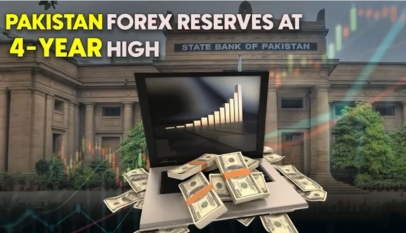
On the external front, SBP’s foreign exchange reserves are projected to reach US$14 billion by end-June 2025. Despite this progress, Pakistan’s gross external financing needs remain significant—estimated at around US$27 billion annually. With US$16 billion already rolled over for the current fiscal year, the remaining US$1.3 billion to US$1.5 billion in repayments are expected to be managed. Nonetheless, an additional US$8 billion in financing will be required to meet residual debt obligations in FY25, with a further US$9 billion needed in FY26.
S&P Global Market Intelligence stresses that ongoing support from the IMF, as well as inflows from bilateral and multilateral partners, will be critical in bridging these financing gaps and maintaining macroeconomic stability.
Note: This analysis was produced by S&P Global Market Intelligence, which is independent of S&P Global Ratings. Any citations should be attributed accordingly.