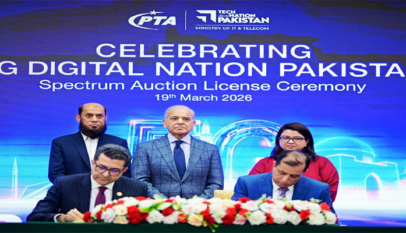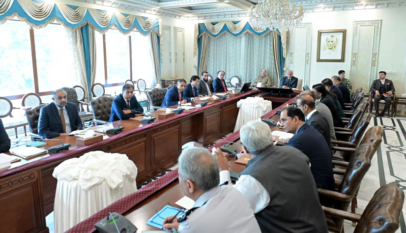

The journey of Pakistan towards attaining self-reliance in the energy sector continues at a fast pace under the Special Investment Facilitation Council.
The government, under the Vision 2031, is undertaking several projects to develop renewable energy, including a shift from coal and furnace oil to hydro, solar, and Compressed Natural Gas.
Under the initiative, 150-megawatt solar power project in Sukkur and the one megawatt project in Gilgit-Baltistan have been completed.
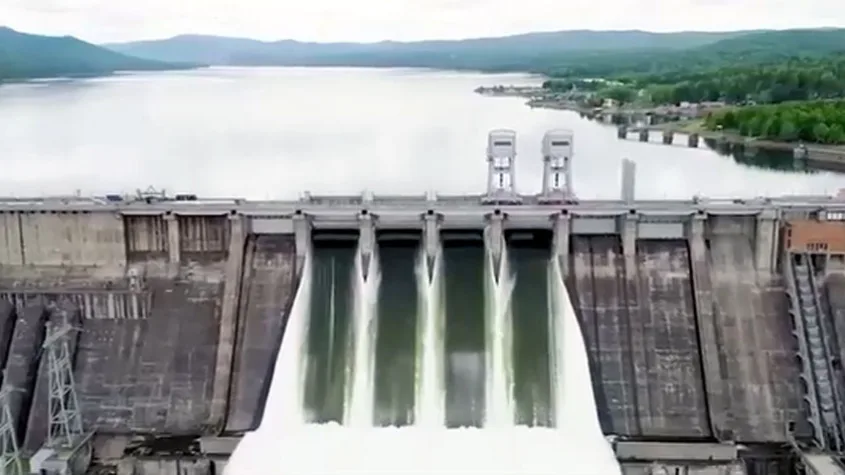
Additionally, work is underway on two 70-megawatt hydro projects in Azad Kashmir and a three-gigawatt solar plant in Karachi, with the financial assistance of 101 million dollars from Saudi Arabia.
The two-billion-dollar reform project for K-Electric is progressing rapidly, and up-gradation of refineries to meet Euro-5 standards, with an investment of one billion dollar, are also underway.
Meanwhile, the World Bank has approved 149.7 million dollars for the development of Pakistan’s digital economy.
Several other projects, including coal, gas, and thermal power plant upgradation, are progressing swiftly.
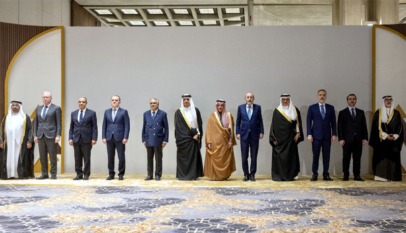
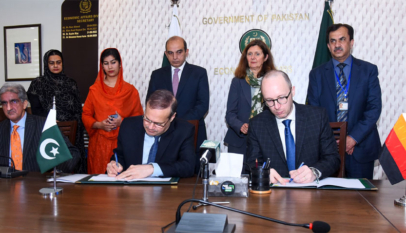
The SIFC is also working on plans to privatize electricity distribution companies. Agreements have also been signed with Saudi Arabia, Azerbaijan, and the United Arab Emirates for investment in Pakistan.
Furthermore, projects like OGDCL’s Rayan-11 and OPEC Plus are advancing under the SIFC’s new energy policy.
The approval of the government for sale of thirty-five percent shares in gas to private sector will likely to attract an investment of five billion dollars.