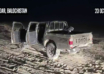

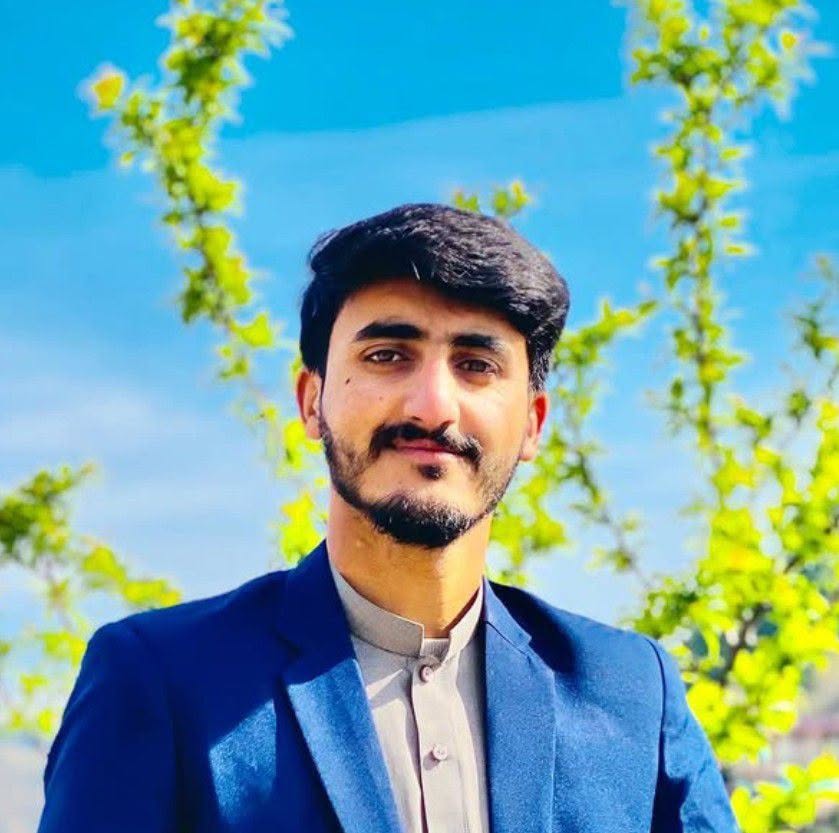
A COMSATS University Abbottabad student’s demonstration of an internet-controlled “driverless car” ended in a viral moment when the vehicle collided with a parked Islamabad Police van at D-Chowk, but police have since cleared him of any offence, calling it a genuine mistake during testing of an invention.
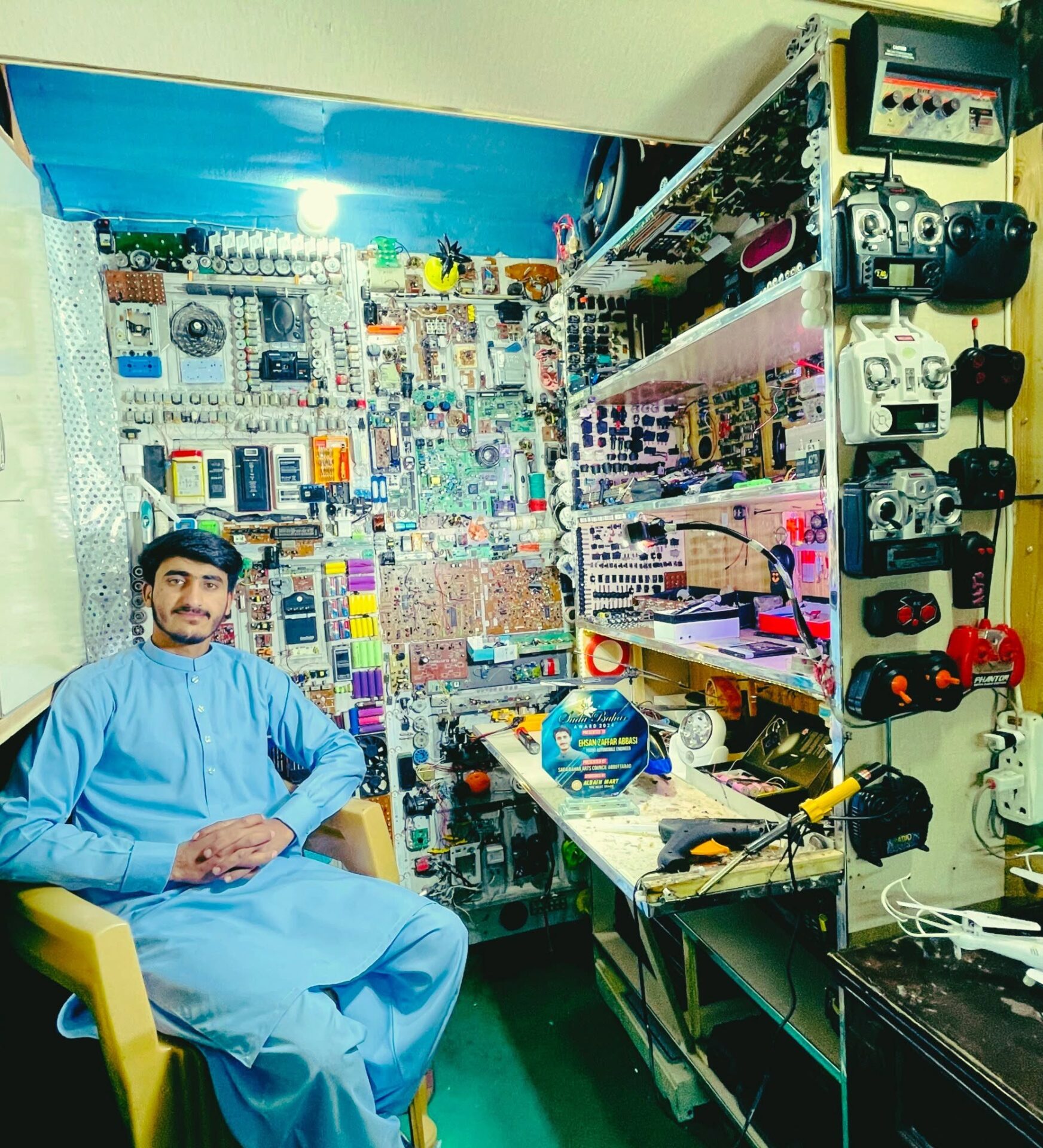
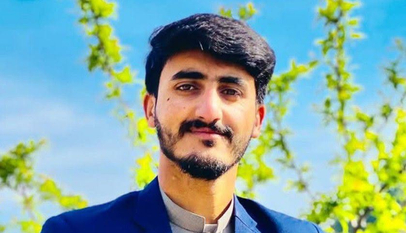
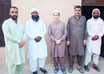
The student, identified as Ehsan Zafar Abbasi is a third-semester computer engineering student at COMSATS University Abbottabad and a resident of Abbottabad. He says he has been working on remote-controlled and driverless vehicle projects since 2018 from a small lab set up at his home.
According to multiple Pakistani news reports and the student’s own explanation, the incident took place while a private TV channel reporter, Muhammad Aalijah, was recording a segment on the project.
Footage shows the car moving along the road with no one in the driver’s seat. Ehsan was standing nearby, controlling the vehicle through a mobile app connected via internet, while the reporter sat in the front passenger seat and a cameraman filmed from the back.
As the car approached a parked police van, the cameraman asked Ehsan to show the mobile phone and control buttons on camera. Ehsan says that while shifting his attention to the phone, he accidentally pressed the left-turn key instead of the right-turn key. The car turned sharply left, the reporter tried to apply the handbrake, but it still struck the police van from the side.
After the video went viral on social media, Islamabad Police launched an inquiry.
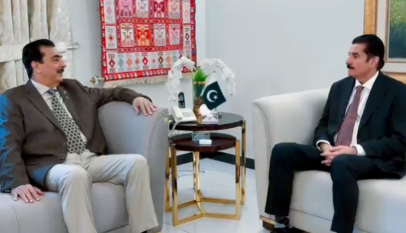
In a clarification video posted on 1 September 2026, Islamabad City Zone SP Dr Ayaz Hussain said police had investigated the incident in detail and found no evidence of any offence.
“This is the future of Pakistan, these are the youth of the country,” SP Ayaz said, describing the collision as a “human mistake” while testing an invention and stressing that such young innovators should be encouraged, not discouraged.
Police described the incident as an unintended error during experimentation and confirmed that no case was registered against the student.
In interviews and police-shared footage, Ehsan Zafar Abbasi explained that the car is part of his long-term project, which he began in 2018.
He said the vehicle is controlled remotely over the internet, with a 360-degree camera on the roof allowing the operator to see surroundings on a mobile or computer screen and send driving commands. He also stated that the system is designed to automatically stop the car if the internet connection is lost.
Ehsan told reporters that after the crash, police cooperated with him, examined the system, and chose to support his work rather than penalize him. He expressed gratitude to SP Ayaz Hussain for taking time to understand the technology and said he intends to keep working in this field to put Pakistan on the map globally.
Muhammad Aalijah, the journalist who recorded and shared the clip, later said he posted the video as a form of “awareness” to show both the talent and the risks involved in testing such technology on public roads.
He praised Pakistani youth for their innovation but warned that experiments involving driverless or remote-controlled vehicles need stricter safety measures and controlled environments.
The incident sparked a wave of memes and debates online, with many users joking about the “no shortage of talent in Pakistan” line uttered just before the crash, while others urged support and guidance for young inventors.
The episode has become a talking point about Pakistan’s grassroots tech innovation and the challenges of testing advanced systems in real-world conditions with unstable infrastructure.
For Ehsan Zafar Abbasi, the incident has drawn national attention to his project and his ambition to one day build a company around remote-controlled and autonomous vehicle technology.