
Finance Minister Muhammad Aurangzeb has said the National Tariff Policy represents a five-year roadmap toward liberalizing trade, fostering export-led growth, and enhancing industrial competitiveness.
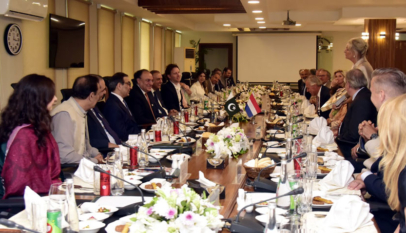
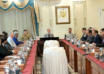
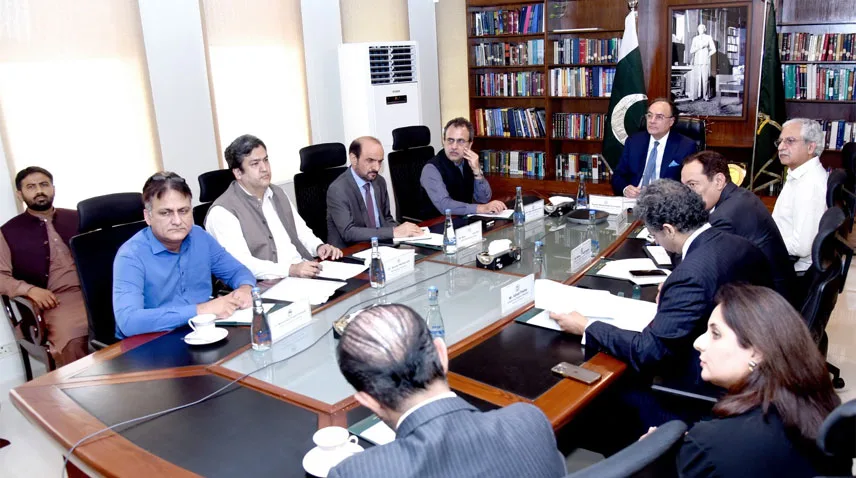
Chairing a meeting of the Steering Committee for the Implementation of the National Tariff Policy in Islamabad on Monday, he underscored the significance of sustained tariff reform as a cornerstone of Pakistan’s trade policy.
Muhammad Aurangzeb emphasized that the Steering Committee, constituted by the Prime Minister, has been entrusted with the critical task of continuously monitoring implementation progress, state of forex reserves, and guiding the transition of domestic industry during this period of reform.
During the meeting, the National Tariff Commission delivered a detailed presentation on its mandate, core functions, and recent performance. The Commission outlined its pivotal role in safeguarding domestic industry through rational tariff structuring and trade remedy actions against unfair trade practices, including dumping, subsidized imports, and harmful import surges.
Participants were also apprised of the NTC’s ongoing efforts to bolster institutional capacity. These include organizational reforms, targeted technical training, automation of internal processes, the proposed establishment of a dedicated facilitation centre for exporters, and initiatives to enhance legal and analytical capabilities to strengthen service delivery.
The Finance Minister acknowledged the valuable contributions of the NTC and urged the Commission to maintain its focus on ensuring a level playing field for local producers.