
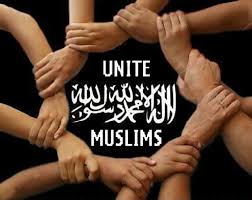
The Muslim world is currently facing numerous internal and external challenges. In such circumstances, unity among Muslims is not merely a religious obligation but the most pressing need of the time. Hostile forces have always taken advantage of division within the Muslim Ummah, whereas history bears witness that whenever Muslims stood united, they successfully countered every conspiracy and achieved dignity and honor.
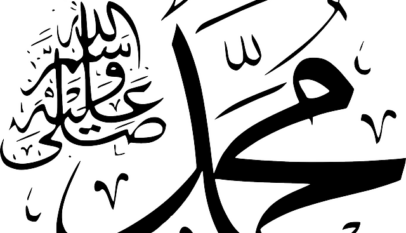
The fundamental message of Islam is based on brotherhood, fraternity, and unity. The Holy Prophet Muhammad (peace be upon him) established a remarkable example of solidarity in Madinah by creating a bond of brotherhood between the Muhajireen and the Ansar. This historic act transformed scattered and vulnerable tribes into a strong and organized nation. The Holy Qur’an clearly commands Muslims to hold firmly together and warns against division and discord.
Islamic history testifies that whenever Muslims upheld unity and mutual cooperation, they attained greatness and prosperity. During the golden era of the Rightly Guided Caliphate, mutual harmony, justice, and consultation strengthened the Islamic state and presented an exemplary system of governance to the world. Conversely, when internal conflicts intensified, the decline of the Muslim world began.
Unity among Muslims does not mean abandoning one’s school of thought or intellectual identity. Rather, it means standing together on shared beliefs and fundamental principles while promoting mutual respect and understanding. Differences of opinion are natural, but turning them into hostility, prejudice, and hatred contradicts Islamic teachings. Tolerance, patience, and constructive dialogue are the true paths that bring hearts closer together.
In Pakistan, an Islamic country with diverse schools of thought, the need for unity is even more significant. Without promoting harmony and mutual respect, internal stability may be compromised, providing opportunities for hostile elements to exploit divisions. Religious scholars, preachers, educators, and intellectuals bear a great responsibility to spread the message of love, unity, and brotherhood through their sermons and writings. The media should also promote cohesion and positivity instead of sensationalism and division.
It is especially important to guide the younger generation to remain cautious of provocative and sectarian content spread on social media. We must adopt the mindset that our primary identity is that of being Muslims, before any sectarian or group affiliation. If we set our priorities correctly, many issues can be resolved naturally.
In conclusion, unity among Muslims is not merely a slogan; it is a guarantee of survival and progress. Mutual respect, tolerance, dialogue, and agreement on common objectives form the foundation upon which a strong and dignified Ummah can be built. Today, more than ever, we must set aside our differences, join hands with one another, and reaffirm the timeless truth that strength, honor, and success lie in unity.