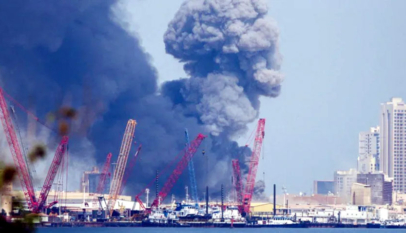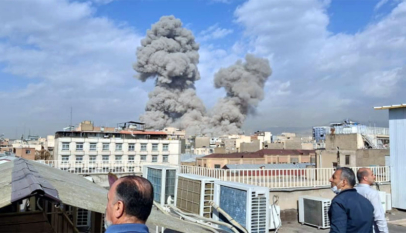

Global energy markets are bracing for a prolonged period of instability as the conflict in the Middle East enters its third week. Crude oil prices climbed more than 2% on Tuesday morning, reversing early losses as the reality of a nearly closed Strait of Hormuz continues to choke global supply.
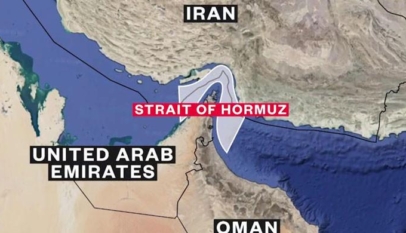
The Strait of Hormuz, a vital maritime artery through which roughly 20% of the world’s oil and liquefied natural gas (LNG) flows, remains at a near standstill. Following weeks of air strikes and retaliatory maneuvers, shipping traffic has collapsed from a historical average of 138 daily transits to fewer than five.
Tehran’s leadership has vowed to keep the waterway closed, with some officials warning that prices could eventually double if the blockade persists. This effective closure has already forced major regional producers, including the United Arab Emirates, to shut in more than half of their typical production.
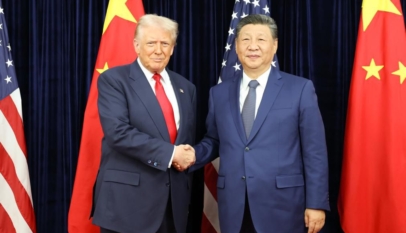
In Washington, the Trump administration is intensifying efforts to build an international naval coalition to reopen the strait. On Monday, President Trump called on global powers—specifically naming China, Japan, France, and the UK—to deploy their own navies to escort commercial tankers.
However, the response from allies has been notably muted. Both Japan and Australia have publicly stated they have no immediate plans to send warships to the region. The lack of enthusiasm from international partners has led to sharp criticism from the White House, further complicating the geopolitical landscape.
The “war premium” is now being felt directly by consumers. In the United States, gasoline prices have jumped to a 22-month high, with the national average for regular unleaded climbing more than 80 cents over the past month. In states like California, prices have already surged past the $5 mark.
The economic ripple effects are reaching far beyond the gas station:
- Central Banks: Seven major central banks are meeting this week to reassess their interest rate policies. Earlier hopes for rate cuts in 2026 are fading as surging energy costs revive fears of stubborn inflation.
- Currency Markets: The U.S. dollar has strengthened against most major currencies as investors seek a “safe haven” amid market jitters.
- Manufacturing and Shipping: Higher diesel prices, now hovering near $5 a gallon in the U.S., are driving up the cost of transporting food, construction materials, and consumer goods.
To stabilize the market, the International Energy Agency (IEA) has authorized the release of 400 million barrels of emergency crude oil from strategic reserves. While this move provided a temporary dip in prices last week, experts suggest that releasing reserves cannot solve the fundamental problem: physical barrels are simply not reaching refineries.
Domestically, the U.S. Treasury is reportedly weighing unconventional measures, such as trading in oil futures and swaps, to curb headline price spikes. Critics, however, warn that such interventions could undermine market confidence without addressing the physical supply shortage.
While some nations are finding a “hedge” against the crisis through renewable energy—with record solar and electric vehicle adoption helping to mitigate the shock in parts of Asia and Europe—the immediate global outlook remains grim. Market analysts warn that as long as the Strait of Hormuz remains a no-go zone, the risk of a global economic slowdown will continue to grow.