
Pakistan is already facing a climate crisis. Islamabad, once celebrated as one of the most beautiful capitals of the world due to its greenery and hills, is under urgent threat as tree felling accelerates and natural beauty erodes. More than 29,000 trees have already been destroyed by government actions, and new development plans are being pushed forward without meaningful consent from locals. The Margalla Hills, part of a national park and the green heart of Islamabad, are a protected zone that continues to come under pressure for hotels and other projects as construction and tree-cutting intensify.
The Margalla Hills are a forest, not a mere park to be reimagined for profit. Displacement has already affected Saidpur, and wildlife habitats are being endangered, threatening both people and animals. The proposed Margalla Park plan amounts to ecological terrorism—an assault on Islamabad’s geography, environment, and social fabric with long-term repercussions. Deforestation, ongoing and unchecked, replaces forests with concrete and concrete with climate risk: floods, heatwaves, droughts. Global examples like Amazon deforestation, alongside local incidents in Swat and Murree where tree felling has been linked to landslides and floods, illustrate the human cost and the loss of life that accompanies such development.
Islamabad is already overburdened, transitioning from a city designed for hundreds of thousands to one hosting millions, with rising pollution and strain on public services. The Margalla Hills act as a protective shield, regulating temperature, sustaining groundwater, and supporting essential ecological services that communities rely on. Destroying them would directly erode living conditions and climate resilience for Islamabad’s residents. The ecological and social costs of prioritizing short-term profit over long-term ecological health and community well-being far outweigh any economic gains from new urban development.
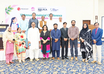
We, at the PPP Human Rights Cell, stand firm in defense of the Margalla Hills and the broader ecological integrity of Islamabad. We call for a halt to any development plans that undermine ecological health, climate stability, and community resilience. Our position is clear: protect the Margalla Hills, respect the rights and voices of local communities, and pursue development paths that are sustainable, transparent, and equitable.
As we move forward, we will mobilize communities, engage with civil society, and advocate for policies that balance growth with environmental stewardship. The survival of Islamabad’s green heritage, the health of its people, and the welfare of its wildlife depend on our collective commitment to responsible governance and ecological justice. We will involve Parliament and the Ministry of Climate Change, alongside communities, in this process to ensure inclusive, accountable decision-making and to push for policies that protect ecological treasures for generations to come.