
Asset management plays a vital role in maintaining industrial efficiency, ensuring economic stability, and supporting long-term development. In underdeveloped countries such as Pakistan, managing industrial assets effectively is particularly challenging due to limited financial resources, institutional weaknesses, and heavy reliance on government-controlled entities. Among all industrial sectors, the power sector stands out as the most critical and capital-intensive, with significant government ownership across generation, transmission, and distribution. Ineffective asset management in this sector not only undermines system reliability but also drives high electricity costs for consumers and slows the transition toward sustainable energy in an era of global warming.
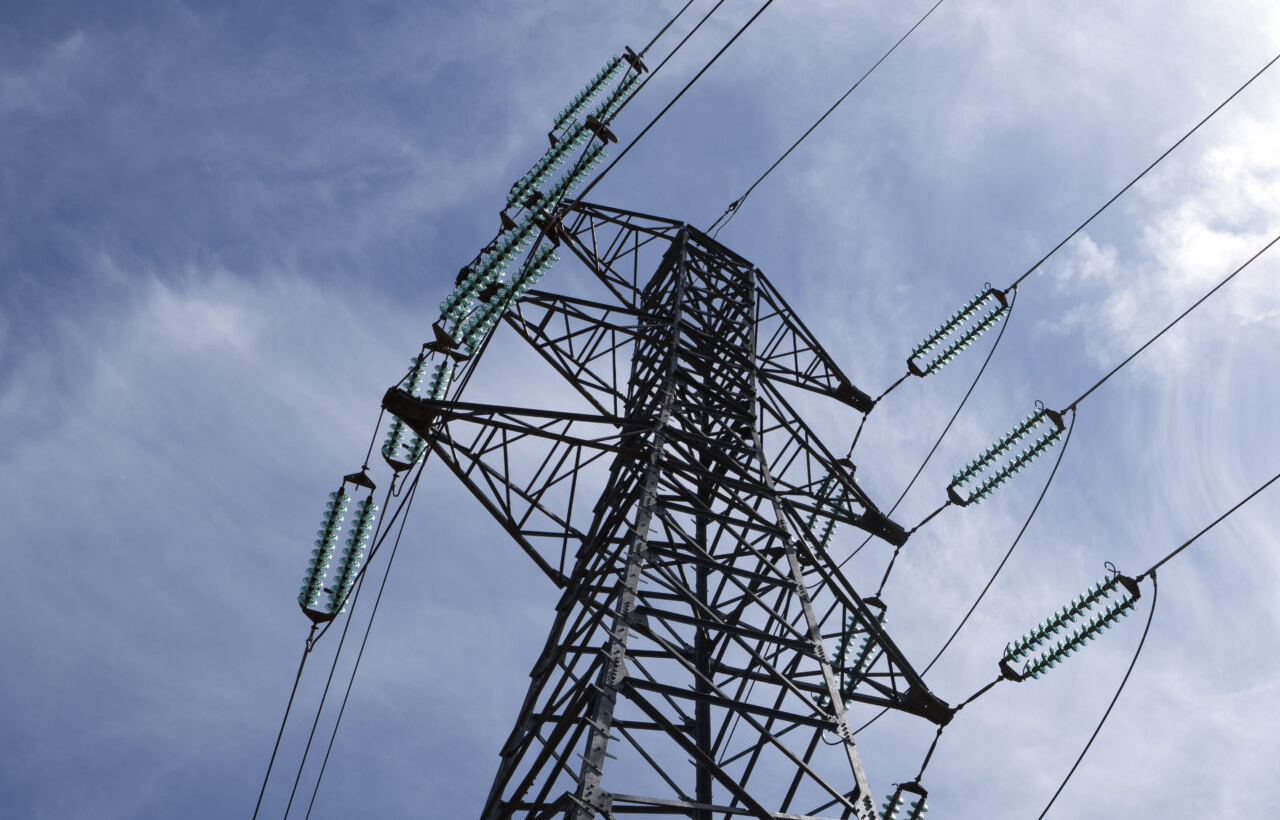
Pakistan’s power infrastructure consists of aging thermal plants, hydropower stations, high-voltage transmission lines, and a vast but loss-prone distribution network. Most of these assets are owned or operated by public-sector entities, where decision-making is often influenced by political considerations rather than technical and financial performance.
Poor maintenance practices, delayed rehabilitation, lack of condition-based monitoring, and underinvestment in modernization have led to declining asset health. Forced outages, low efficiency, and inadequate availability remain common. As a result, existing assets fail to deliver optimal output despite significant capital investments. In such an environment, asset management is reactive rather than preventive, increasing lifecycle costs and reducing operational reliability.
Global warming has added further pressure on Pakistan’s power sector. Rising temperatures increase electricity demand due to cooling loads while simultaneously reducing the efficiency of thermal power plants and stressing transmission infrastructure. Climate variability also affects hydropower output, making reliance on water-dependent generation increasingly uncertain.
Solar energy has emerged as a strategic response to these challenges. Pakistan’s geographic location offers high solar irradiance, making solar power economically attractive and environmentally sustainable. However, solar assets require structured planning, forecasting, and integration strategies. Without proper asset and grid management, large-scale and distributed solar deployment can lead to operational inefficiencies rather than system-wide benefits.
Pakistan’s future energy landscape is expected to shift gradually toward renewable energy, particularly solar and wind, driven by climate commitments, fuel import constraints, and rising electricity demand. Government policies increasingly emphasize cleaner generation and reduced dependence on imported fossil fuels.
Despite this positive direction, the success of the energy transition depends heavily on asset management maturity. Merely adding generation capacity without upgrading grid assets, human skills, and operational frameworks will deepen inefficiencies. Modern practices such as asset performance management, predictive maintenance, digital monitoring, and lifecycle optimization are essential for ensuring that both conventional and renewable assets deliver long-term value.
Ineffective asset utilization in Pakistan’s power sector has a direct and severe impact on electricity consumers. High transmission and distribution losses, underperforming generation assets, and capacity payments for inefficient plants inflate the overall cost of electricity. These costs are ultimately passed on to residential, commercial, and industrial consumers through higher tariffs.
As electricity prices rise, consumers increasingly adopt rooftop solar systems to reduce dependence on the grid. While this trend lowers individual bills, it further strains utility revenues and complicates asset planning. Without reforms, the imbalance between grid costs and declining billed energy threatens the financial sustainability of public utilities.
Pakistan’s electricity grid was originally designed for centralized, fossil-fuel-based generation and is poorly suited for high penetration of variable renewable energy. Capacity constraints, overloaded transformers, outdated protection schemes, and limited automation restrict the grid’s ability to absorb solar power safely.
Reactive power management is a major technical bottleneck. Inadequate voltage control, lack of dynamic VAR sources, and weak enforcement of grid codes result in voltage instability and power quality issues, particularly in high-solar distribution feeders. Insufficient investment in capacitor banks, STATCOMs, advanced inverters, and network studies further limits system resilience.
The challenge of effectively managing assets in Pakistan’s industrial landscape, particularly in the power sector is deeply rooted in institutional, technical, and financial constraints. Government-dominated structures, aging infrastructure, and weak asset management practices have created inefficiencies that raise electricity costs and limit energy security.
As global warming accelerates the transition toward renewable energy, Pakistan must prioritize asset management reforms alongside capacity expansion. Strengthening grid capability, improving reactive power control, and adopting modern asset performance strategies are critical for protecting consumers, ensuring system stability, and building a sustainable energy future. Grid modernization, including digital substations and smart distribution networks, is essential to transform solar energy from a challenge into a reliable asset.
About the author: Afsah Ahrar is an experienced electrical engineering and reliability professional with over 16 years in the petrochemical and power sectors. He specializes in electrical asset management, predictive maintenance, reliability engineering, and electrical safety. Currently serving as Manager Electrical, he has led major projects and modernization initiatives focused on operational excellence, compliance, and long-term asset performance.