
Around 52 percent of Pakistani adults and nearly 38 percent of adolescents aged between 12 and 17 years are now believed to be suffering from fatty liver disease due to obesity, junk food consumption, sedentary lifestyles and physical inactivity, senior gastroenterologists warned on Sunday.
The said the disease now called “Metabolic Dysfunction-Associated Steatotic Liver Disease” MASLD has emerged as a silent epidemic in the country and is increasingly affecting even lean individuals because of genetic predisposition.
Experts warned that fatty liver disease, often remains unnoticed for years but significantly increases the risk of heart attacks, stroke, renal failure, diabetes and chronic liver disease.
They said the condition can silently progress to liver fibrosis, cirrhosis, liver failure and liver cancer if left untreated.
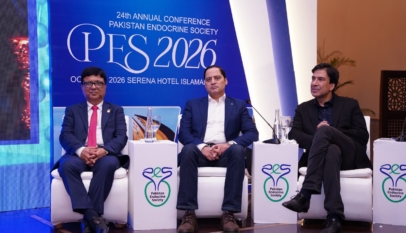
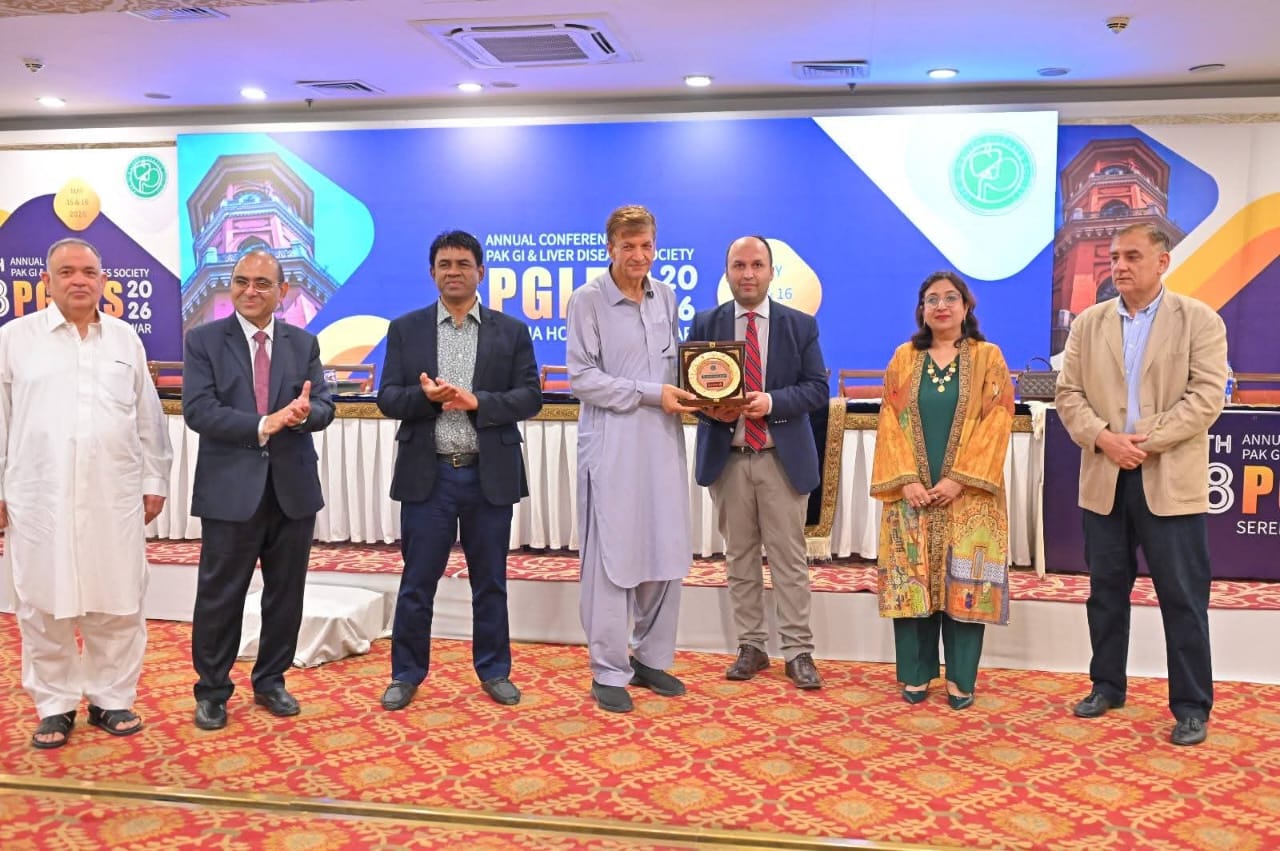
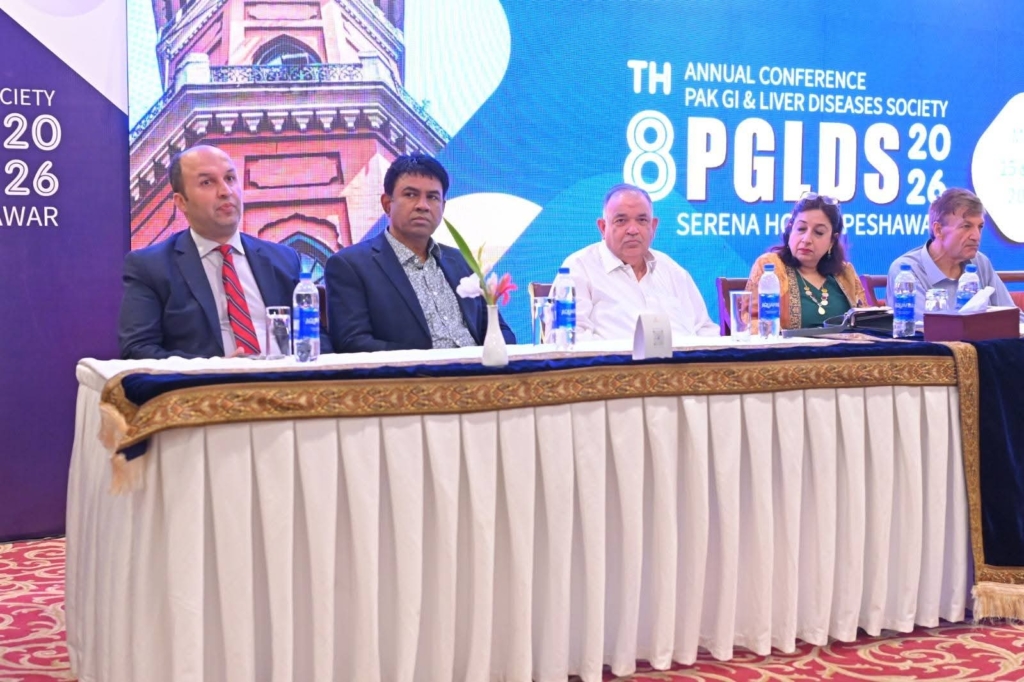
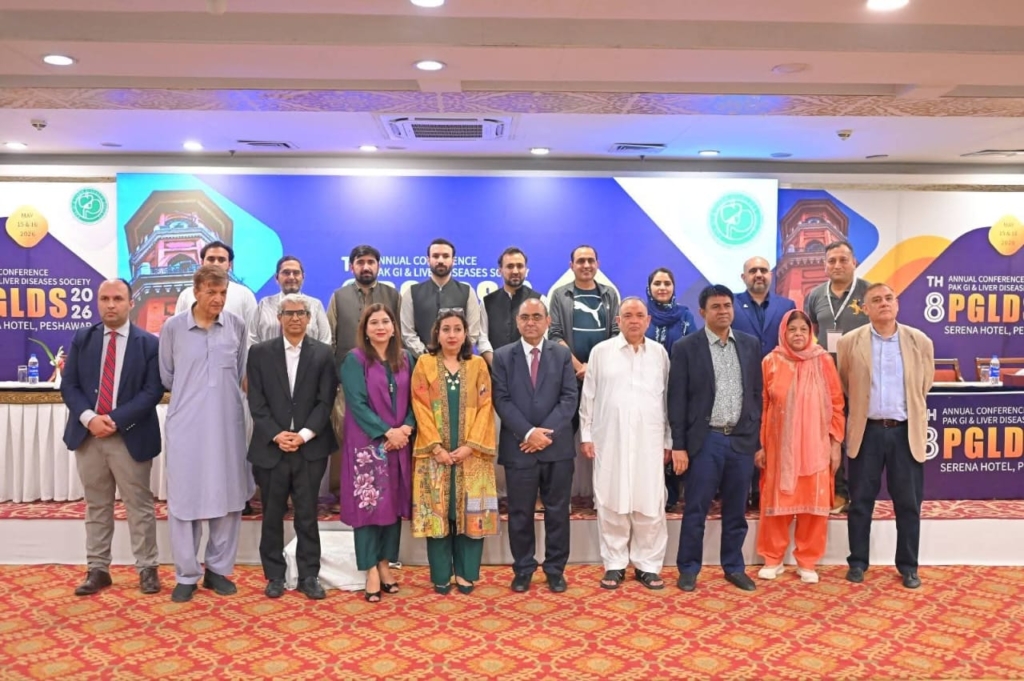
The alarming concerns were raised during the 8th Annual Conference of the Pakistan GI and Liver Disease Society (PGLDS), held in Peshawar under the theme “Empowering the Future: Advancing GI and Liver Care”, where hundreds of gastroenterologists, hepatologists, physicians and young doctors from across Pakistan participated in scientific sessions, workshops and training activities.
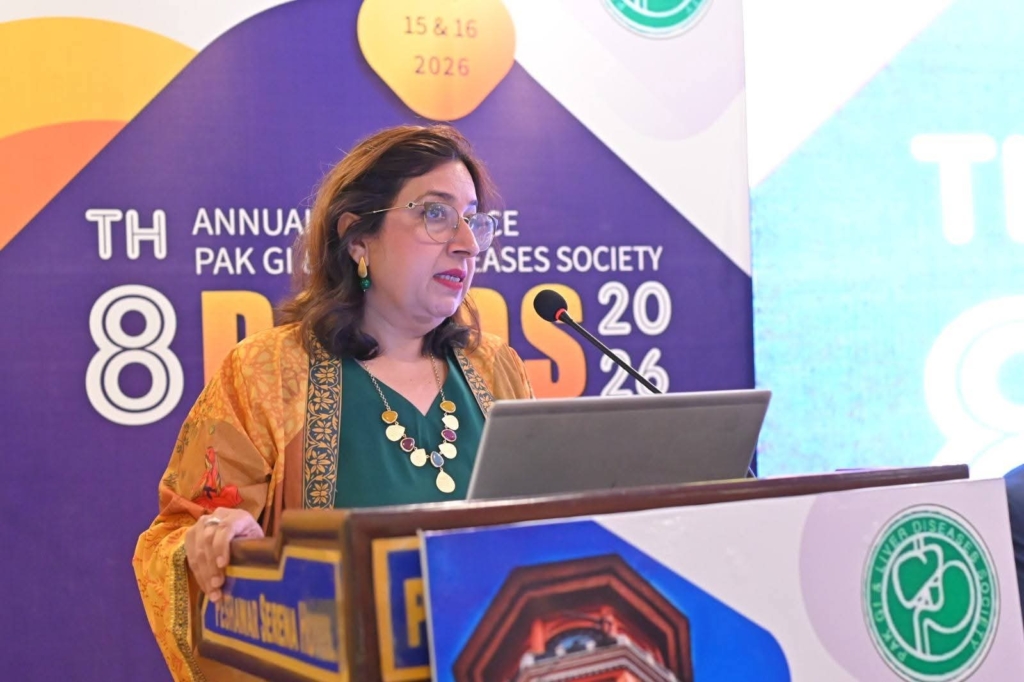
Addressing the conference, PGLDS President Prof Dr Lubna Kamani said fatty liver disease had become one of the leading causes of chronic liver disease in Pakistan because of rising obesity, diabetes and unhealthy lifestyles.
She warned that colorectal cancer cases were also increasing rapidly, particularly among younger people, while lack of awareness, financial constraints and social barriers were hampering timely screening and diagnosis.
Prof Kamani regretted that Pakistan still lacked an adequate number of trained and qualified female gastroenterologists, creating difficulties for women seeking treatment for gastrointestinal and liver diseases. She said PGLDS was making efforts to promote women doctors and young professionals in gastroenterology and hepatology through academic opportunities, mentorship and leadership roles.
She added that all educational activities of PGLDS, including workshops and the annual conference, were being organized completely free of charge to facilitate young doctors, trainees and healthcare workers amid rising economic challenges and inflation in the country.
Renowned gastroenterologist and former PGLDS President Prof Dr Sajjad Jamil said the world was facing a pandemic of fatty liver disease which in Pakistan was touching epidemic proportions. He said even lean individuals in Pakistan were increasingly developing fatty liver disease because of poor dietary habits, metabolic abnormalities and genetic susceptibility.
He urged people to adopt healthier lifestyles, avoid junk food, exercise regularly and use medicines prescribed by healthcare providers, including statins and other therapies when required, to prevent progression of fatty liver disease and associated cardiovascular complications.
Conference organizer Dr Jibran Umar Ayub stressed the importance of early screening and diagnosis of fatty liver disease, saying simple ultrasound examinations and fibroscans could help detect liver damage at an early stage.
He said timely diagnosis, lifestyle modifications and appropriate medical treatment could prevent severe liver, cardiac and metabolic complications in a large number of patients.
Patron of PGLDS Prof Dr Shahid Ahmed spoke on inflammatory bowel disease (IBD), highlighting its causes, symptoms and increasing burden in Pakistan. He said early diagnosis of gastrointestinal diseases significantly improved treatment outcomes and advised patients to avoid quacks and seek treatment from qualified gastroenterologists.
Eminent gastroenterologist Prof Dr Nazish Butt discussed genetic causes of fatty liver disease, saying populations in South Asia exposed to prolonged famine conditions over generations had developed genetic mutations predisposing them to obesity and fatty liver disease in modern times.
Prof Javed Iqbal Farooqi delivered a detailed lecture on Hepatitis B, discussing advances in treatment, newer therapies and the possibility of achieving functional cure in selected patients.
Renowned endocrinologist Prof AH Aamir highlighted the growing role of modern weight loss medicines including semaglutide in the prevention and management of obesity, diabetes, cardiovascular disease, metabolic syndrome and fatty liver disease.
He said newer GLP-1 based drugs were showing promising results in weight reduction and improvement of liver health when combined with lifestyle modifications.
The conference included scientific sessions on metabolic liver disease, obesity, hepatitis, inflammatory bowel disease, endoscopy, liver transplantation, gastrointestinal cancers and emerging therapies. Special sessions focused on women in gastroenterology, future therapies for metabolic liver disease, artificial intelligence in medicine and advanced endoscopic procedures.
Participants also attended hands-on workshops and free paper presentations aimed at training young doctors and promoting research in gastroenterology and hepatology. Organizers said the conference served as an important platform for medical education and professional development.